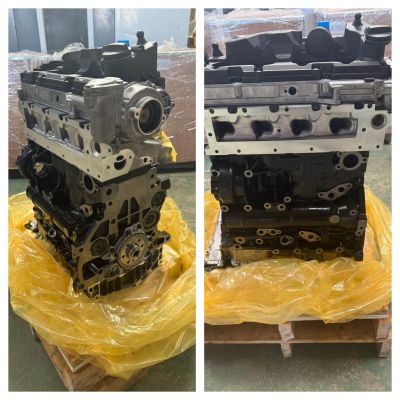
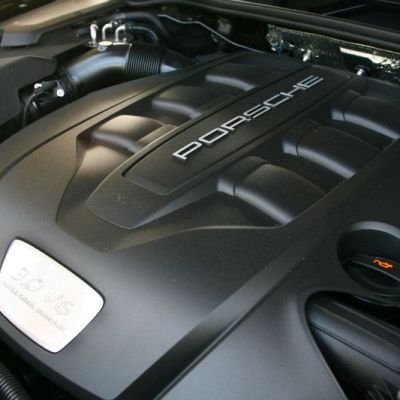
Volkswagen / Audi CAS 3.0 FSI Engine Overview
The CAS engine is a 3.0-liter V6 naturally aspirated gasoline engine developed by the Volkswagen Group, primarily used in mid-to-high-end Audi and Volkswagen models. This engine represents an early generation of FSI direct injection technology, achieving a balanced performance between smooth power delivery, driving comfort, and long-term reliability.
The CAS engine adopts a V6 configuration with an all-aluminum block and cylinder head, double overhead camshafts (DOHC), and four valves per cylinder. It uses an FSI direct injection system, which provides improved combustion efficiency and throttle response compared to traditional multi-point fuel injection engines. In factory configuration, the CAS engine produces approximately 255–260 horsepower and 300 Nm of torque, delivering linear and smooth power, emphasizing daily driving and highway cruising comfort rather than aggressive performance.
Technical Specifications of the AUDI CAS Engine
Engine Type
- V6 naturally aspirated gasoline engine
Displacement
- 3.0 liters (approximately 2995 cc)
Valve Train
- DOHC, 24 valves
Fuel System
- FSI direct injection
Block Material
- Aluminum alloy
Timing System
- Timing chain
Intake Type
- Naturally aspirated
Common Applications
The CAS engine was primarily used in Audi and Volkswagen models produced from the mid-2000s to around 2010. Typical applications include:
Audi A6 3.0 FSI
Audi A8 3.0 FSI
Audi Q7 3.0 FSI (early gasoline version)
Volkswagen Touareg 3.0 FSI
These vehicles are mostly mid-to-high-end sedans or SUVs, designed for stable performance, driving comfort, and long-distance travel.
Advantages and Key Features of the CAS Engine
The CAS engine is praised for smooth operation and natural throttle response. Its naturally aspirated V6 design eliminates turbo lag, providing linear acceleration and a refined driving experience suitable for daily commuting and highway driving.
The all-aluminum construction ensures strength while reducing engine weight, benefiting overall vehicle balance. With regular maintenance, the engine demonstrates stable mechanical reliability and long-term usability. Compared with contemporaneous turbocharged gasoline engines, the CAS engine is mechanically simpler, reducing the risk of turbo-related failures and offering more predictable maintenance costs.
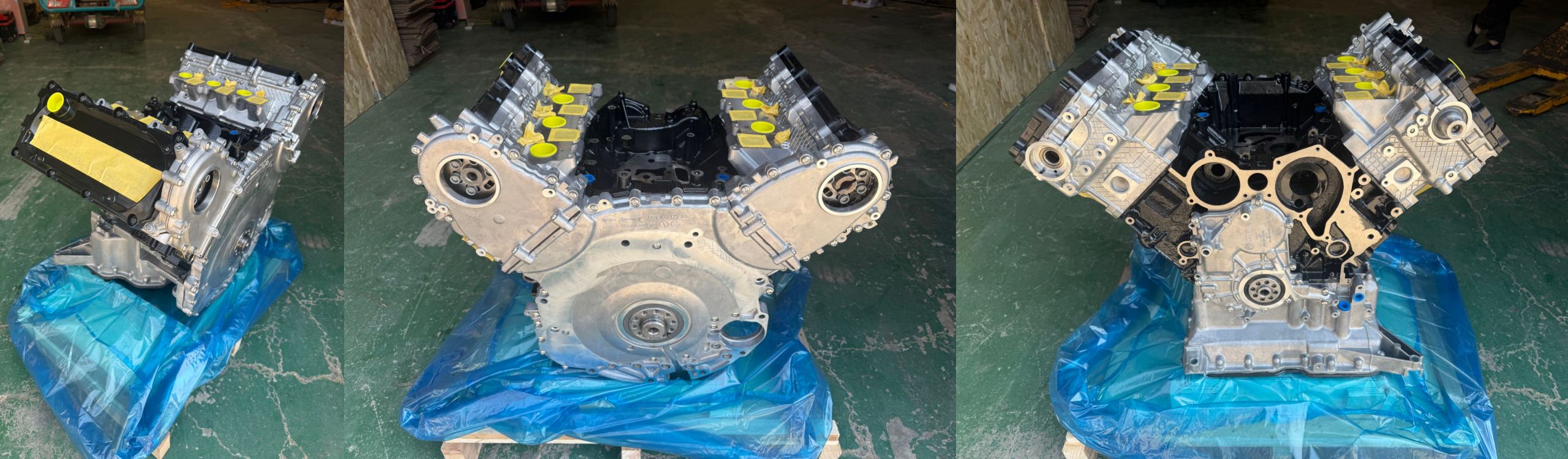
Comprehensive Analysis of Volkswagen / Audi CAS 3.0 FSI Engine
Core Technical Features of the CAS Engine
The CAS engine is one of Volkswagen Group’s early 3.0L V6 FSI naturally aspirated gasoline engines, mainly targeting mid-to-high-end Audi and Volkswagen models. It prioritizes smooth power delivery, reliability, and long-term stability rather than extreme performance.
Structurally, the CAS engine features a V6 layout with an all-aluminum block and cylinder head, equipped with DOHC and 24 valves, improving intake and exhaust efficiency while reducing overall engine weight. The fuel system uses FSI direct injection technology, offering precise fuel delivery, higher combustion efficiency, and responsive throttle performance. The timing system uses a chain design, which generally has a longer lifespan than belts, making it suitable for high-mileage, long-term vehicles.
Common Reliability Issues
Intake Valve Carbon Build-Up
As an early FSI direct injection engine, the CAS engine commonly develops carbon deposits on intake valves. Since fuel is injected directly into the combustion chamber, the intake valves are not cleaned by gasoline. Low-speed, short-distance urban driving increases the likelihood of carbon accumulation.
Symptoms include unstable idle, rough cold starts, delayed acceleration, power loss, increased fuel consumption, and occasional engine warning lights.
Timing Chain and Tensioner Wear
Although the CAS engine uses a timing chain, poor oil maintenance or high mileage may lead to chain stretch or tensioner wear. Early signs include unusual noises on cold start, engine warning codes related to timing, unstable idle, and power irregularities.
High-Pressure Fuel System Aging
Over time, the high-pressure fuel pump and related components may lose efficiency or have aging seals, resulting in unstable fuel delivery. Symptoms include extended startup times, reduced power under load, and occasional warning codes.
These three issues are the most representative and noteworthy CAS engine problems. Although not numerous, they require proper handling.
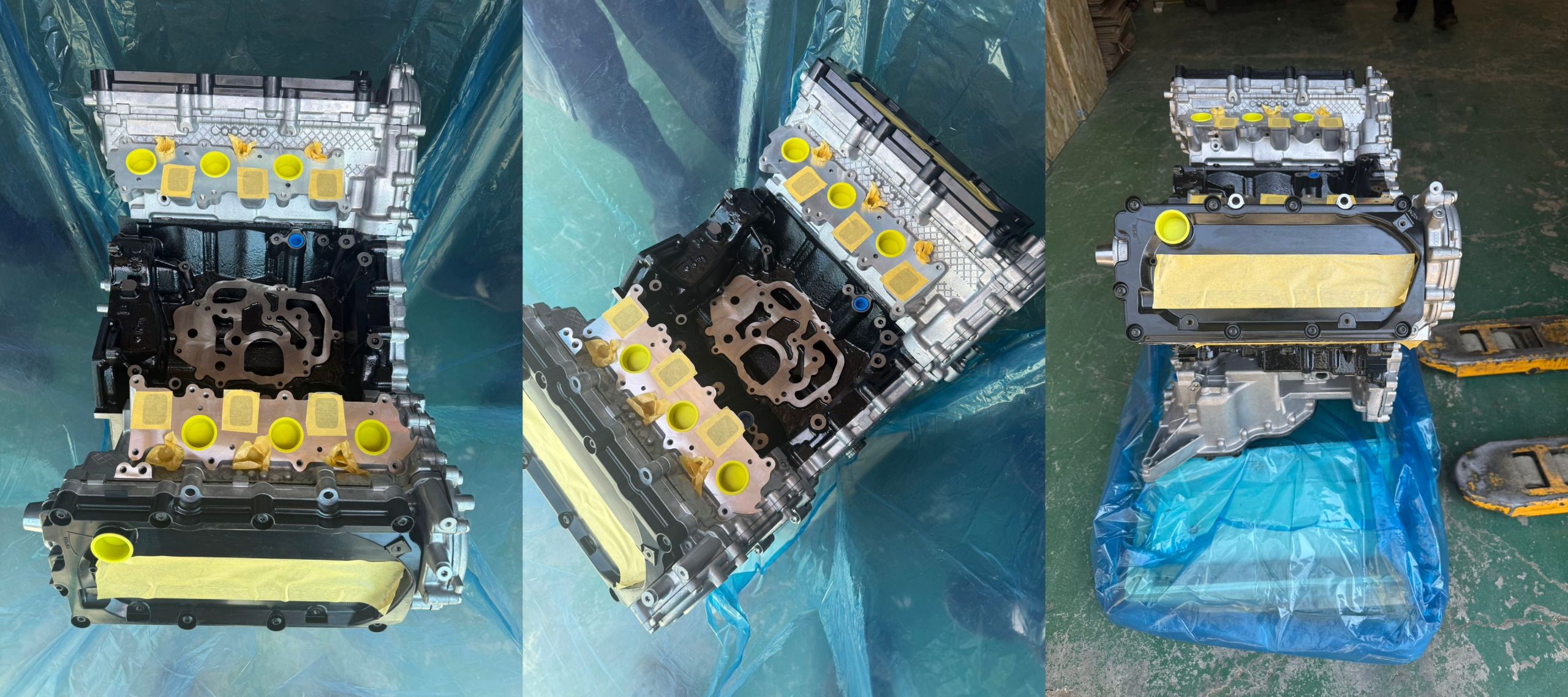
Maintenance and Repair Recommendations
Intake Valve Carbon Cleaning
Check the intake system every 60,000–100,000 km depending on usage. Common treatments include:
Walnut shell cleaning for intake valves (most effective)
Professional disassembly and cleaning of intake manifold and valves
Avoid prolonged low-speed, short-distance driving
Maintenance tips:
Occasionally drive at highway speeds for 20–30 minutes
Use high-quality fuel, avoid low-grade gasoline
Combine cleaning of throttle body and intake manifold when needed
Timing Chain System Maintenance
Although the chain is durable, oil quality and replacement intervals are critical. Recommendations:
Shorten oil change intervals to 7,000–10,000 km
Use VW / Audi certified high-quality engine oil
Inspect tensioners promptly if unusual noises occur on cold start
For high-mileage vehicles, proactively replacing tensioners reduces the risk of major repairs
High-Pressure Fuel System Maintenance
Regularly inspect high-pressure pump seals and monitor fuel pressure data. Key points:
Replace fuel filters on schedule
Avoid running with low fuel levels
Check fuel pressure immediately if startup issues occur
These measures significantly extend the life of the high-pressure fuel system.
CAS Engine Advantages Summary
Smooth and linear V6 naturally aspirated power delivery
All-aluminum construction for reduced weight and better heat dissipation
Timing chain design suitable for long-term, high-mileage usage
Mechanically simpler and more stable than contemporaneous turbo engines
Low overall failure concentration, easier to maintain
Mature, reliable, and durable engine solution for its displacement
Suitable Owner Profiles
Ideal for owners who:
Value smooth and comfortable driving
Drive frequently on highways or long distances
Follow regular maintenance and use certified oil and fuel
Prefer stock or lightly modified vehicles
Less suitable for frequent short-distance urban driving without proper maintenance
Common Markets for CAS Engine
Europe
- Widely used in Germany, the UK, France, Italy, Spain, and other European countries, primarily in Audi A6, A8, Q7, and Volkswagen Touareg.
North America
- Found in early Audi 3.0 FSI models in the United States and Canada, later replaced by TFSI engines.
Middle East and Russia
- Common in imported used vehicles; the naturally aspirated V6 suits high temperatures and challenging road conditions.
China
- Mostly present in imported Audi A6, A8, Q7, and Volkswagen Touareg, with moderate numbers but a stable user base.

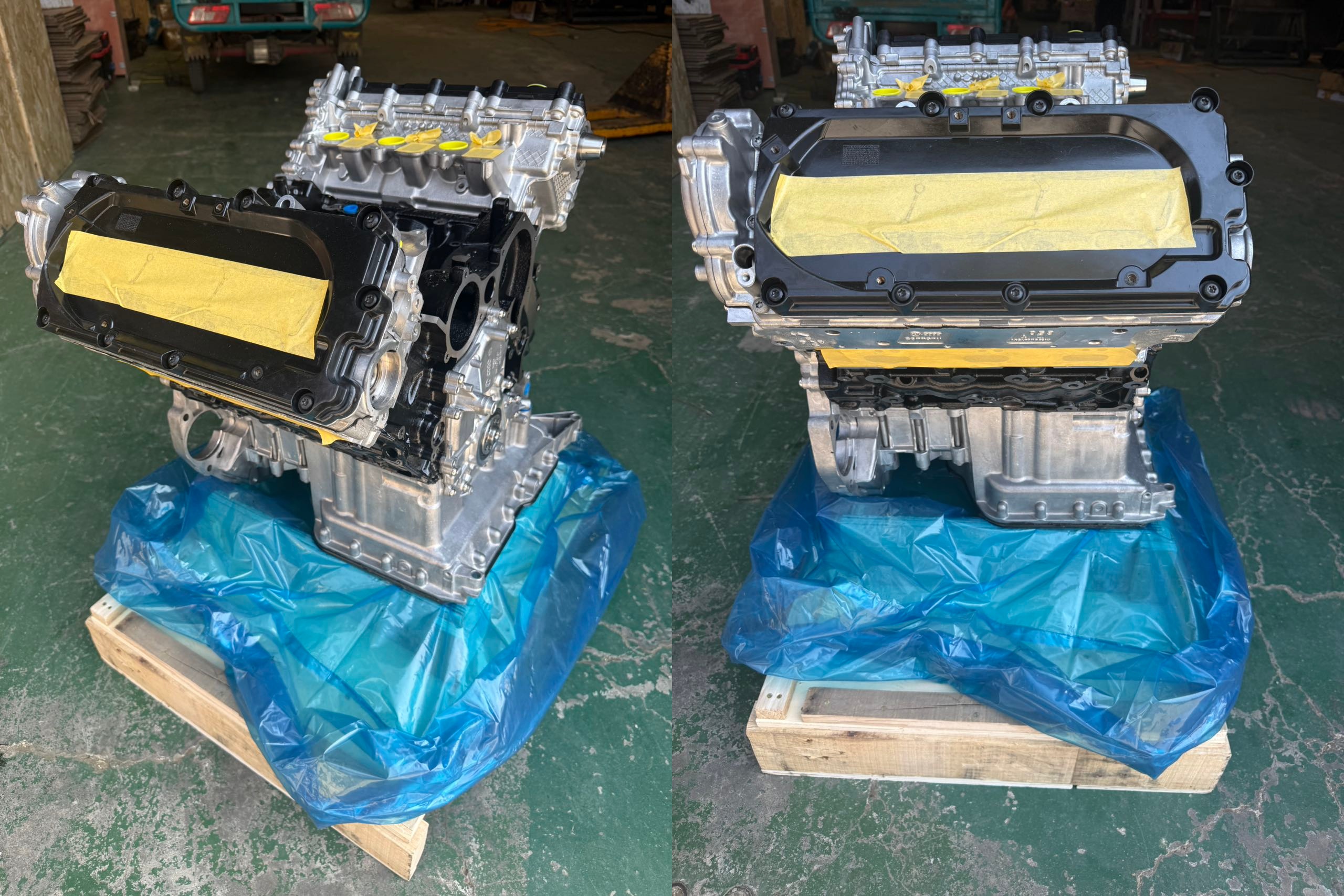
Advantages in the Chinese Market and Export Potential
In China, CAS engines are mainly available as complete or remanufactured units for aftermarket and export channels. Advantages include:
Mature structure with well-documented overseas maintenance data
Better fuel adaptability than some newer direct-injection turbo engines
Suitable for export to the Middle East, Eastern Europe, Africa, and South America
Stable demand for remanufactured engines and complete replacements
For export markets, the CAS engine represents a reliability-focused V6 gasoline engine with lower maintenance complexity, making it ideal for bulk export and long-term use.
Conclusion
The Volkswagen / Audi CAS 3.0 FSI engine is a classic V6 naturally aspirated engine, emphasizing smooth power delivery, reliability, and mature technology. Although typical issues include intake valve carbon buildup and timing chain wear, these problems are fully manageable with proper maintenance. Whether for domestic repairs or overseas complete-unit exports, the CAS engine offers high practical value and stable demand.
Yeahengine Factory Advantages
Yeahengine factory is located in Changchun, Jilin Province—the core of China’s automotive industry and home to FAW’s major Volkswagen and Audi production base—specializing in the assembly of high-quality Volkswagen and Audi engines. All engines are assembled using genuine OEM parts, ensuring reliability, performance, and longevity comparable to brand-new factory engines. Our factory provides comprehensive after-sales support, including technical guidance, warranty services, and maintenance assistance, giving customers full confidence for both domestic use and export markets. With strict quality control and decades of automotive expertise, Yeahengine delivers engines that meet the highest standards of precision, durability, and consistency.