What Components Does an Automotive Engine Include?
An engine is the heart of a vehicle and a very complex system. Most automotive engines share basically the same working principles. Now we will explain in detail the engine components and common wear parts knowledge.
Main Engine Components
The engine is the power unit of a vehicle. It mainly consists of the engine block, crank-connecting rod mechanism, valve train, cooling system, lubrication system, fuel system, and ignition system (diesel engines do not have an ignition system).
1. Cooling System Components
Generally consists of radiator, water pump, radiator, fan, thermostat, coolant temperature gauge, and drain switch. Automotive engines use two cooling methods: air cooling and water cooling. Most engines use antifreeze liquid cooling.
2. Lubrication System Components
The engine lubrication system consists of oil pump, oil strainer, oil filter, oil passages, pressure relief valve, oil gauge, pressure sensor, and dipstick.
3. Fuel System Components
The fuel system of gasoline engines consists of fuel tank, fuel gauge, fuel line, fuel filter, fuel pump, fuel injectors, air filter, intake and exhaust manifold, etc.
4. Ignition System Components
It consists of ignition power supply, ignition switch, ignition coil, spark plug, and high-voltage cables.
Common Wear Parts of Automotive Engines
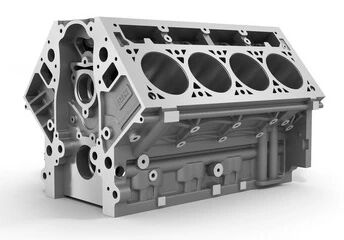
1. Cylinder Block
The cylinder block is the basic structure of the engine and an important part of the engine block assembly, located between the cylinder head and the oil pan. Its working conditions involve high temperature and high pressure, and the piston moves back and forth inside it, causing heavy friction. Therefore, the cylinder block must be heat-resistant, corrosion-resistant, and wear-resistant.
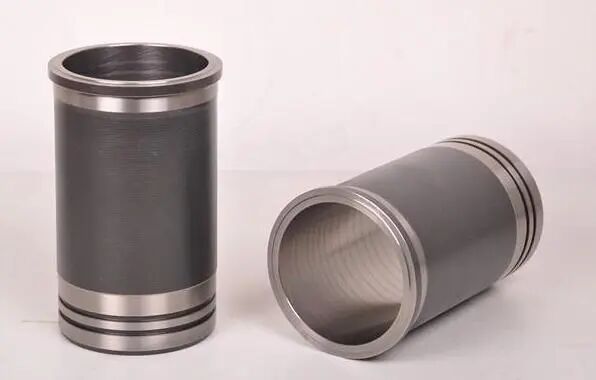
2. Cylinder Liner
The cylinder liner is a cylindrical part installed in the cylinder bore of the engine block. The cylinder head is pressed and fixed on the top, and the piston moves back and forth inside it. There is cooling water outside for cooling. The cylinder liner must have sufficient strength, rigidity, heat resistance, and wear resistance. It also requires good lubrication and cooling during operation.
3. Cylinder Head
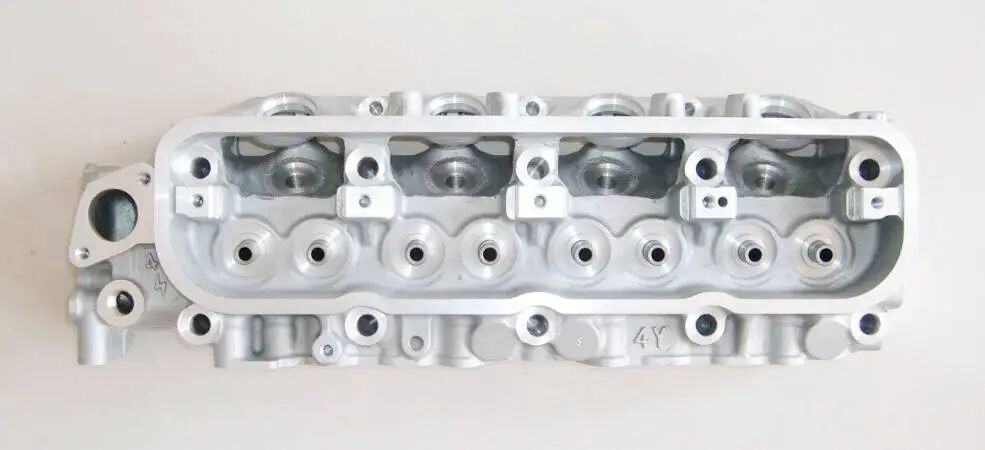
Common damage of the cylinder head includes deformation of the sealing surface between the cylinder head and cylinder bore (which destroys sealing), cracks in intake and exhaust valve seat holes, and damaged spark plug threads. Especially aluminum alloy cylinder heads, due to lower hardness and relatively weaker strength, are more prone to deformation and damage, so their consumption is higher than cast iron ones.
4. Cylinder Head Cover
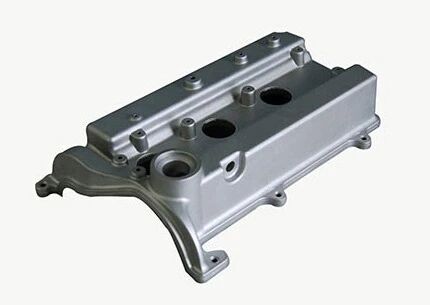
The cylinder head cover is a shell mounted on the engine cylinder head. It prevents external contaminants from entering the engine and provides sealing function. It is easy to deform and warp, has a certain consumption rate, and requires inventory stock.
5. Cylinder Head Gasket
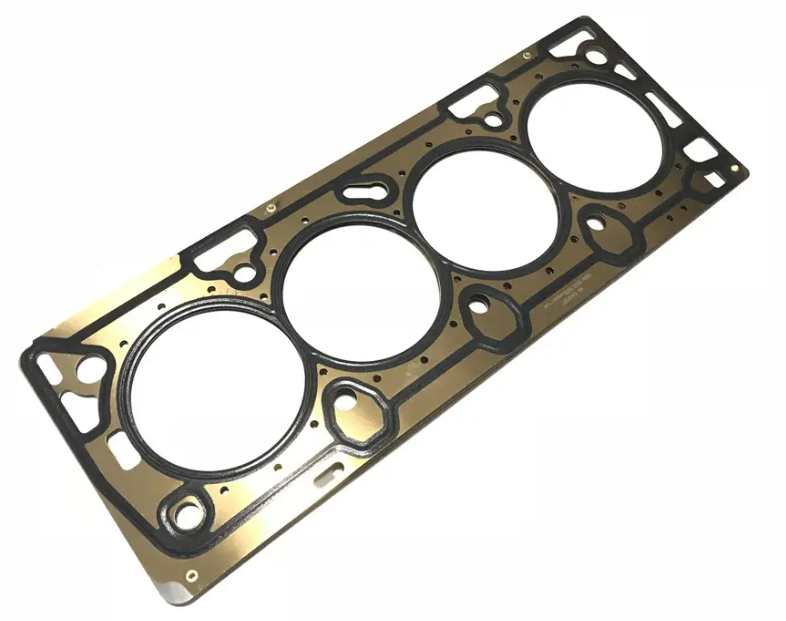
The cylinder head gasket is a sealing component between the engine block top surface and the cylinder head bottom surface. Its function is to maintain cylinder sealing without leakage, and prevent leakage of coolant and oil from the engine block to the cylinder head. It bears the pressure generated when tightening cylinder head bolts and is affected by high temperature, high pressure combustion gases, as well as corrosion from oil and coolant.
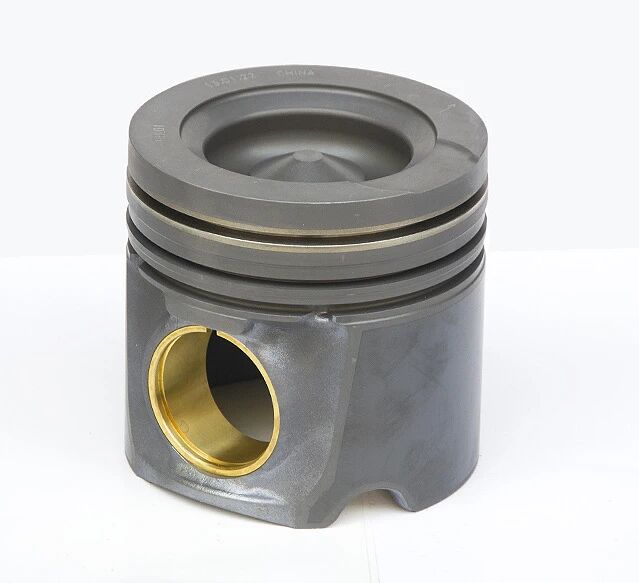
6. Piston
The main function of the piston is to withstand combustion pressure in the cylinder and transmit this force to the crankshaft through the piston pin and connecting rod. The piston works under high temperature, high pressure, high speed, and poor lubrication conditions, and therefore has a relatively high wear rate.
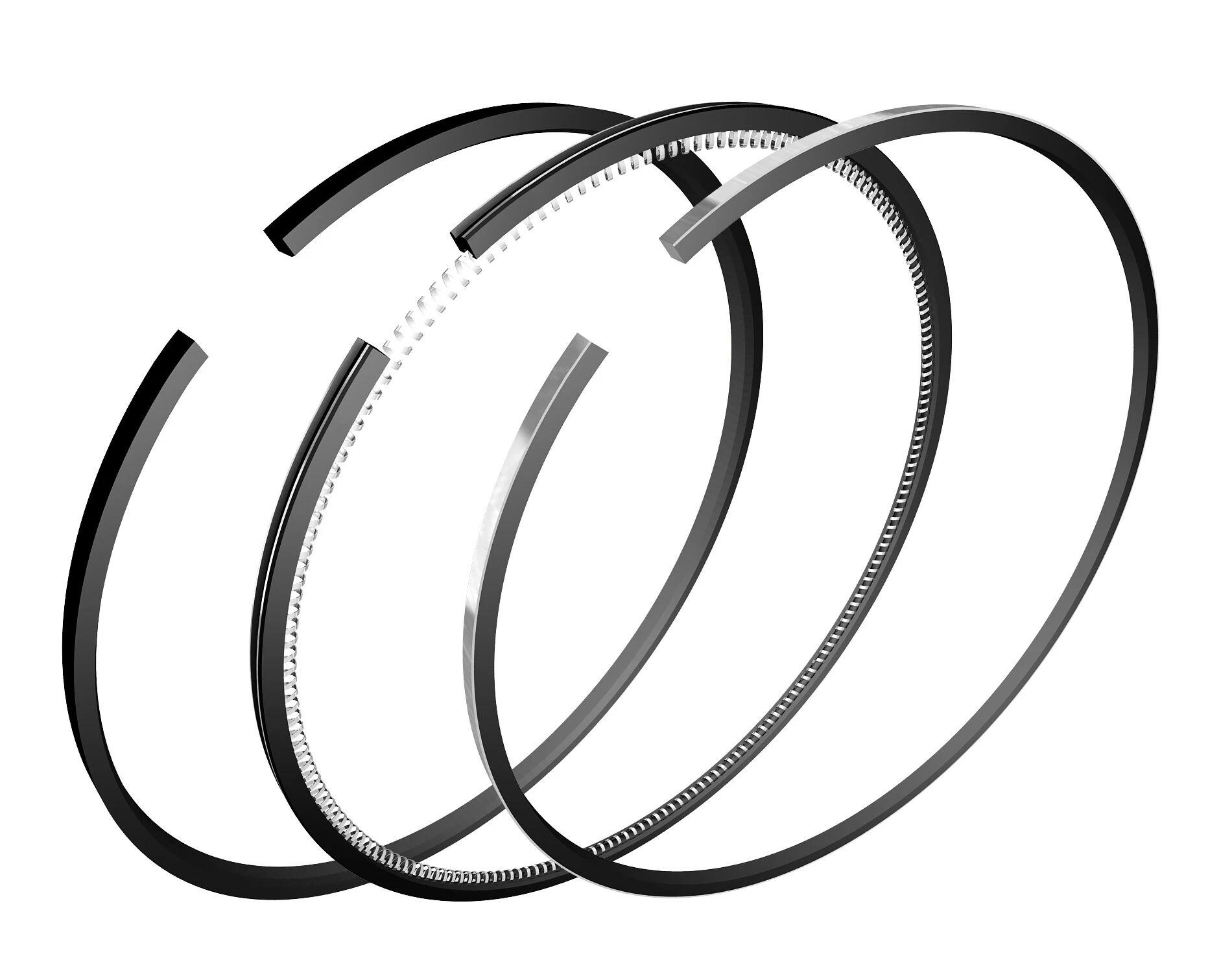
7. Piston Ring
The piston ring is a metal elastic ring with large outward expansion and deformation ability. It performs reciprocating and rotating motion. It relies on gas or liquid pressure difference to form a seal between the outer ring surface and cylinder wall, and between ring and ring groove side surface.
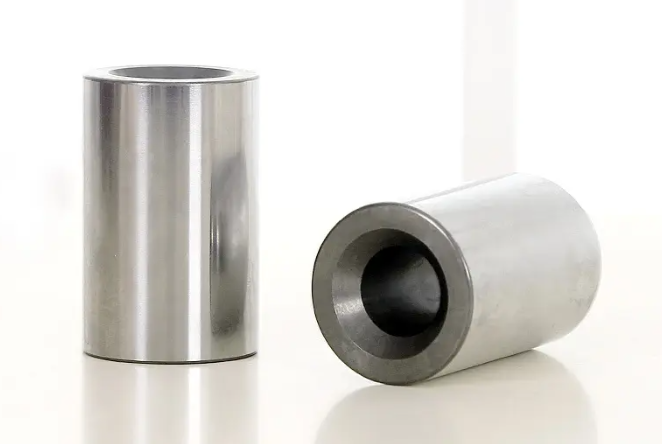
8. Piston Pin
Under high temperature conditions, it bears large cyclic impact loads. Since the piston pin has a small swing angle inside the pin bore, it is difficult to form an oil film, so lubrication conditions are poor. The piston pin must have sufficient rigidity, strength, and wear resistance.
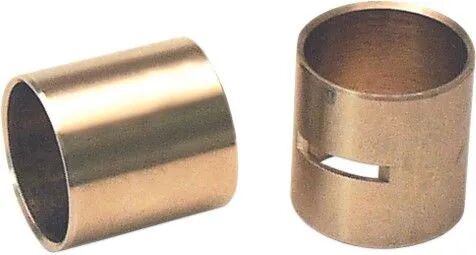
9. Piston Pin Bushing
Wear includes dry friction damage caused by oil shortage and high temperature, and outer diameter loosening due to excessive press-fit clearance. It is a main wear part with large consumption and multiple specifications, requiring sufficient inventory.
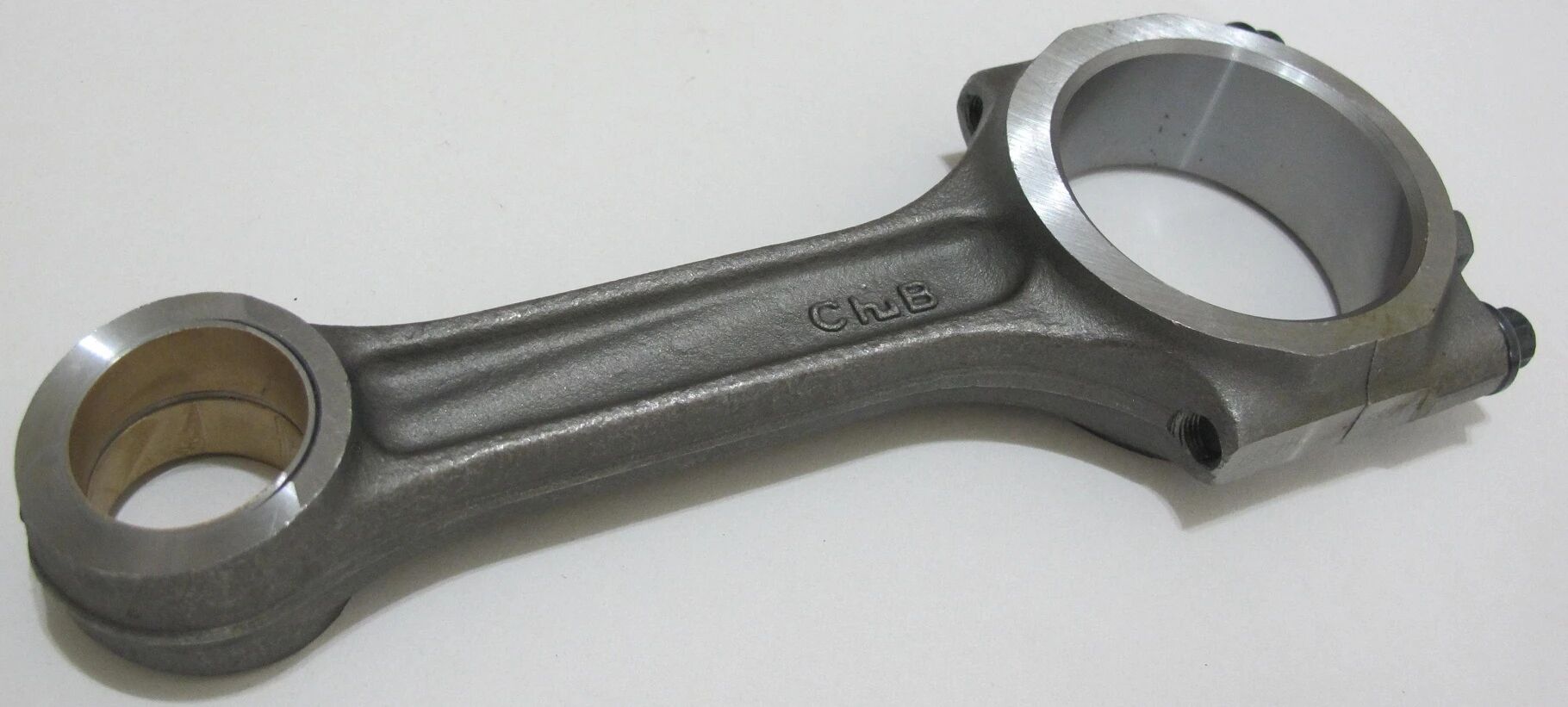
10. Connecting Rod
The connecting rod must have sufficient fatigue strength and structural rigidity. Insufficient fatigue strength may cause rod body or bolt fracture, leading to severe engine damage. Insufficient rigidity may cause bending deformation and oval deformation of the big end, resulting in uneven wear of piston, cylinder, bearing, and crank pin.
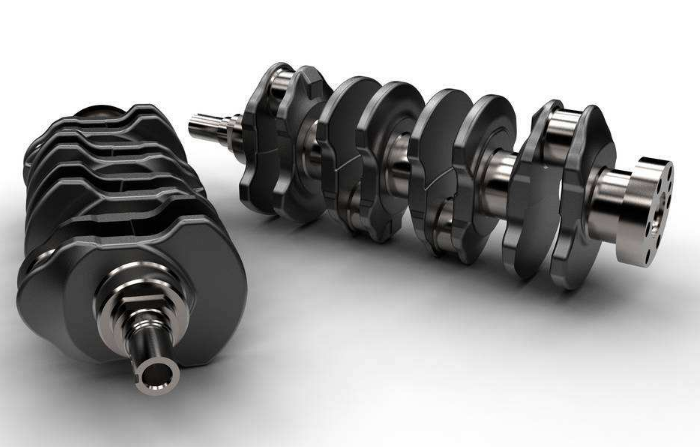
11. Crankshaft
The most important component of the engine. It receives force from the connecting rod and converts it into torque output, driving other engine accessories. It is subjected to centrifugal force from rotating mass, periodic gas inertia force, and reciprocating inertia force, thus bearing bending and torsional loads. Therefore, it must have sufficient strength and rigidity, and the journal surface must be wear-resistant and well balanced.
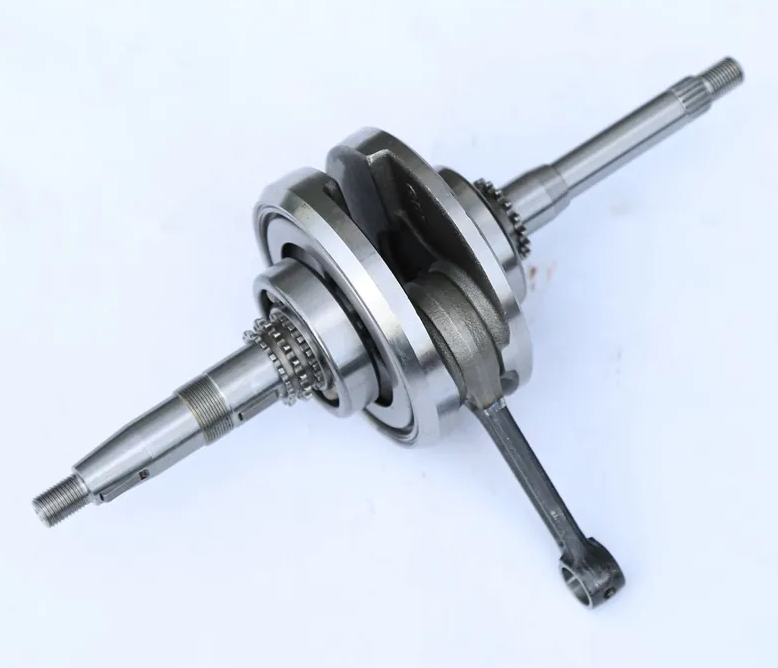
12. Connecting Rod Bearing and Crankshaft Bearing
Under cyclic load, bearings are prone to fatigue damage, such as cracking and peeling, which is the main failure mode. Therefore, bearing steel must have high contact fatigue strength, wear resistance, anti-rust properties, and high hardness.
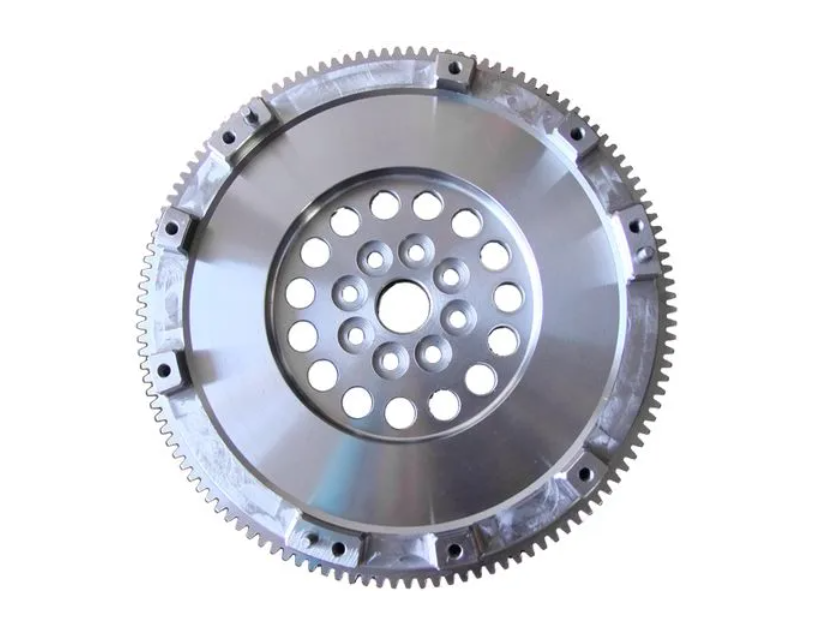
13. Flywheel
The main function of the flywheel is to store energy outside the engine power stroke and provide inertia. For a four-stroke engine, power is produced once every four piston strokes, while the other strokes consume energy.
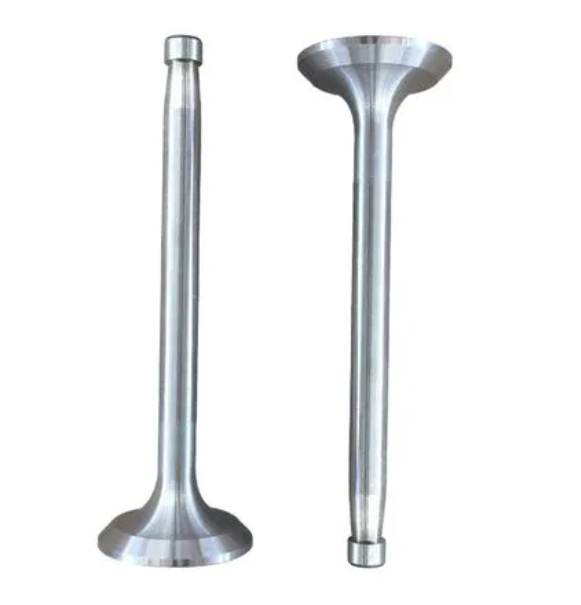
14. Valve
The valve consists of a head and stem. The valve head operates under high temperature and is subjected to gas pressure, valve spring force, and inertial force of transmission components. Lubrication and cooling conditions are poor, requiring high strength, rigidity, heat resistance, and wear resistance.
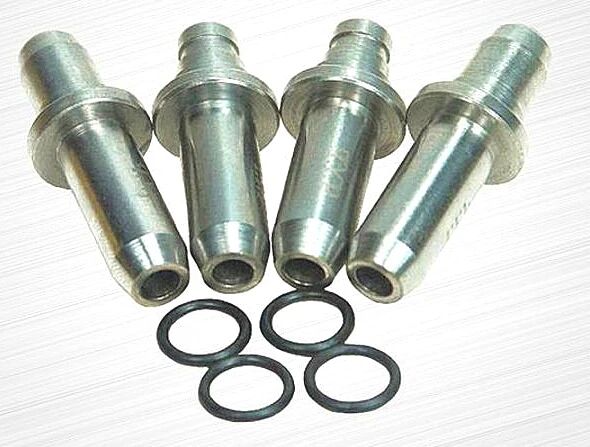
15. Valve Guide
The function of the valve guide is to guide valve movement, ensure reciprocating linear motion, and allow correct sealing between valve and seat. It transfers heat from the valve stem to the cylinder head. Working temperature is about 200°C, and lubrication depends on oil splashed from the valve train, making it prone to wear.
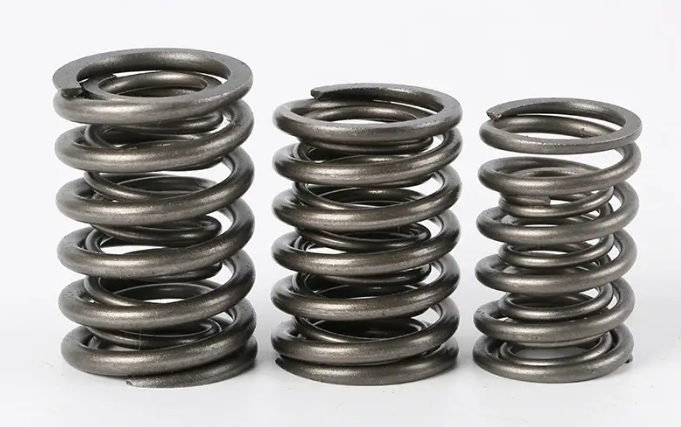
16. Valve Spring
Usually made of high-quality alloy steel wire and heat-treated to improve fatigue strength. To prevent corrosion, the surface is galvanized or phosphated. Both ends must be ground flat and perpendicular to the axis to avoid tilting during operation.
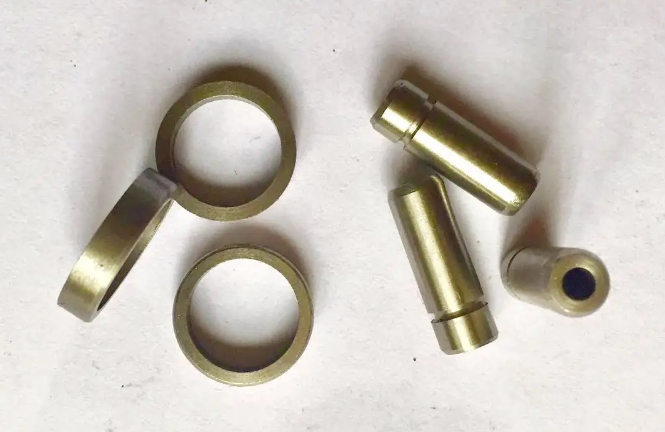
17. Valve Seat
Long-term mechanical wear and thermal corrosion can damage sealing surfaces of valves or seats, requiring inventory reserves.
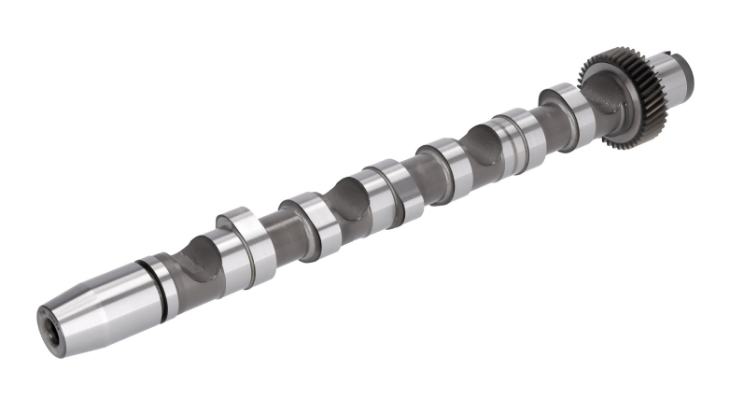
18. Camshaft
Common failures include wear of journal bearings and cam lobes, bending deformation, loss of coaxiality, and oil pump drive gear damage.
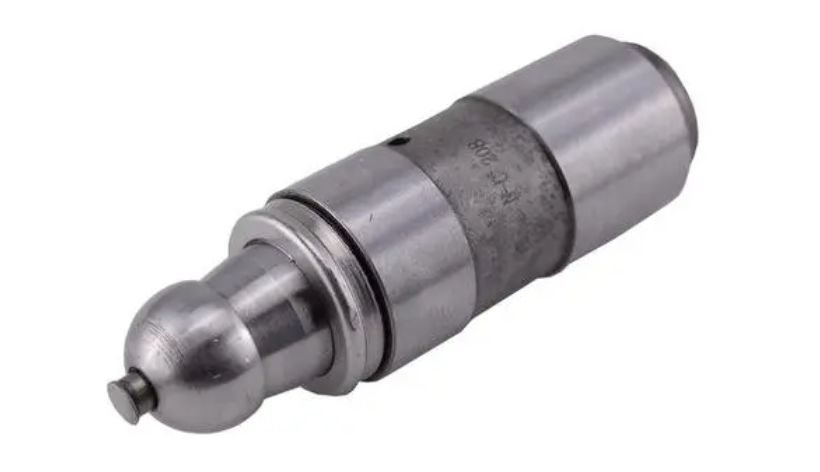
19. Valve Tappet
The camshaft bears cyclic impact loads. The contact stress between cam and tappet is high, and sliding speed is high, causing severe wear.
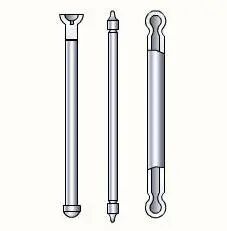
20. Push Rod
Its main function is to transmit force from the tappet to the rocker arm and drive valve opening. Wear at both ends or improper valve clearance adjustment may cause bending deformation.
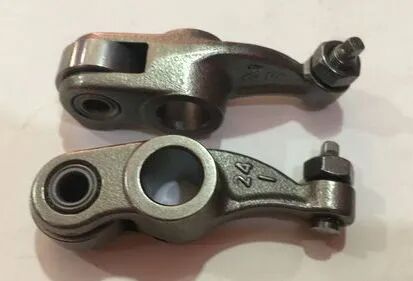
21. Rocker Arm
Damage to the rocker arm first causes metal knocking noise. Severe wear may affect intake and exhaust, reduce engine power, and in serious cases prevent engine start.
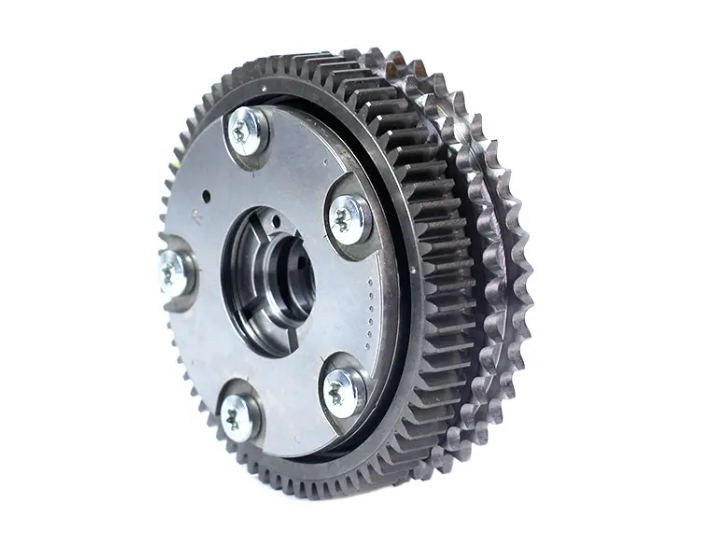
22. Camshaft Timing Gear
Common failures include tooth breakage due to impact torque, loosening between metal core and nylon, and surface wear exceeding limits.
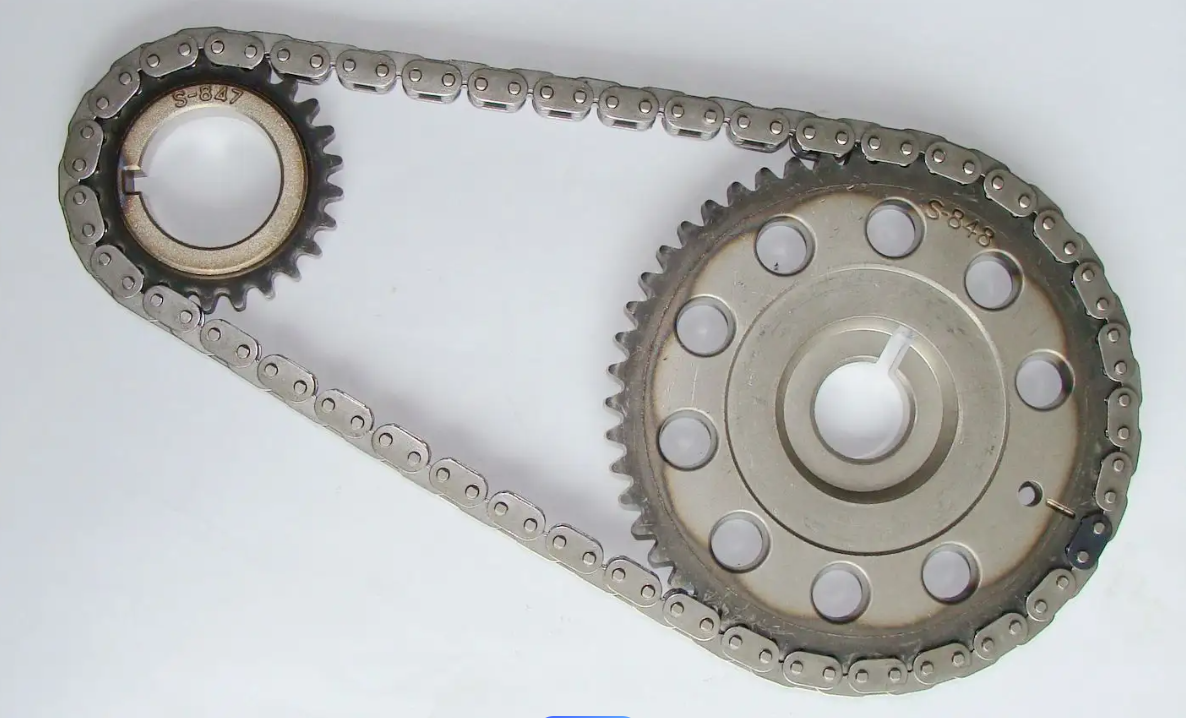
23. Timing Chain
Used to control synchronization between engine valves and crankshaft, ensuring normal engine operation. With time and use, it may wear or stretch, causing serious engine problems.
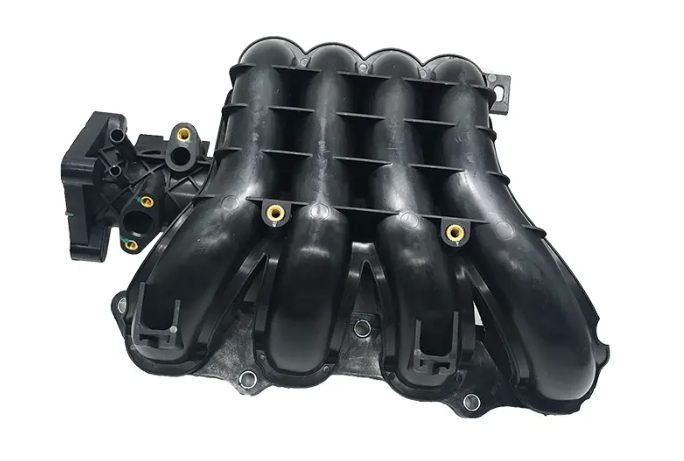
24. Intake and Exhaust Manifold Assembly
Common faults include thermal fatigue cracks, flange edge fractures caused by improper bolt tightening sequence or torque, and leakage due to warping deformation from thermal stress.
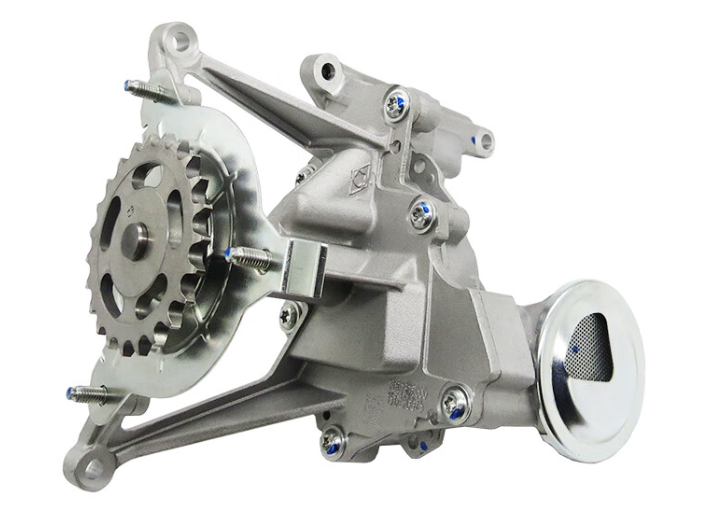
25. Oil Pump
Common failures include natural wear of moving parts, fatigue of pressure relief valve spring, and sealing gasket damage, leading to insufficient oil pressure or failure.
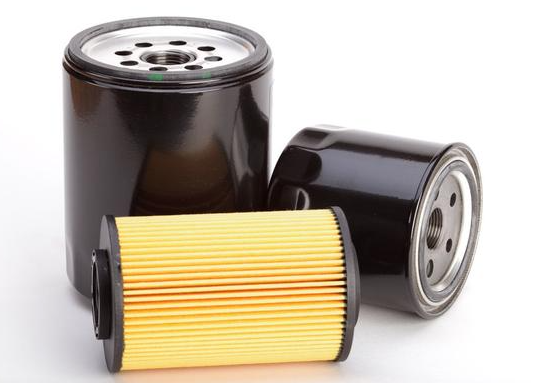
26. Oil Strainer
(duplicate numbering in original text)
Clogging of filter mesh due to sludge, damage of mesh, collapse or leakage of float, or detachment due to vibration can cause failure.
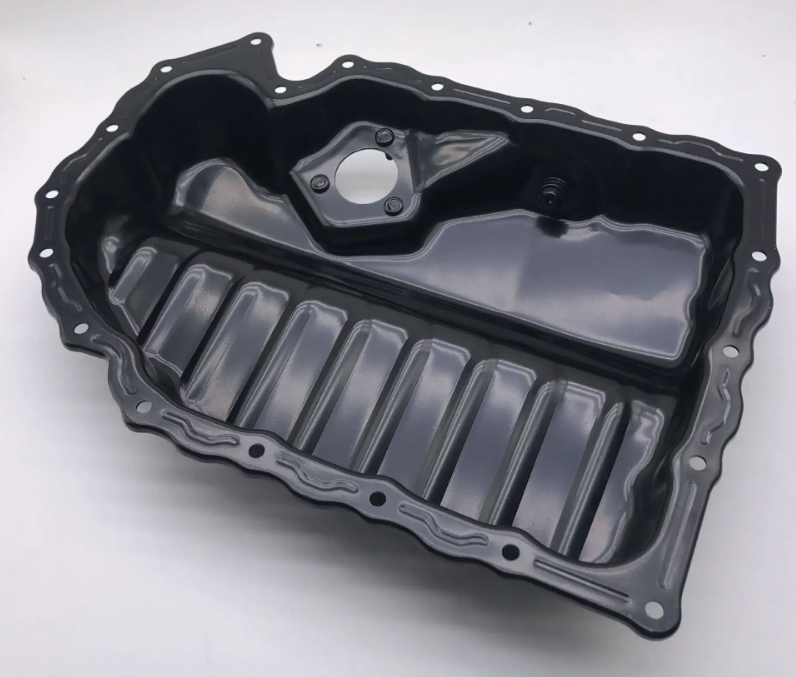
28. Oil Pan
The oil pan is a wear part and should be stocked in inventory.
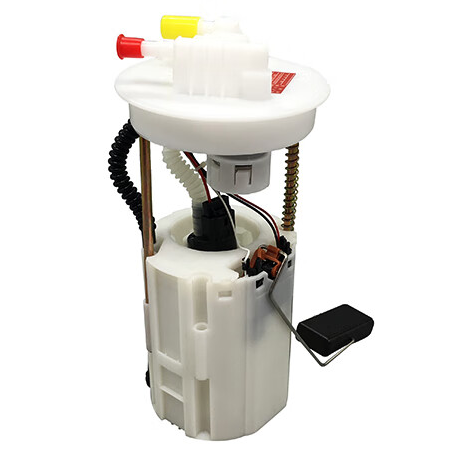
29. Fuel Pump
Low fuel level, poor fuel quality, or long-term lack of fuel filter replacement can damage the fuel pump. Common faults include diaphragm fatigue cracks, wear of inlet/outlet valves, and reduced stroke.
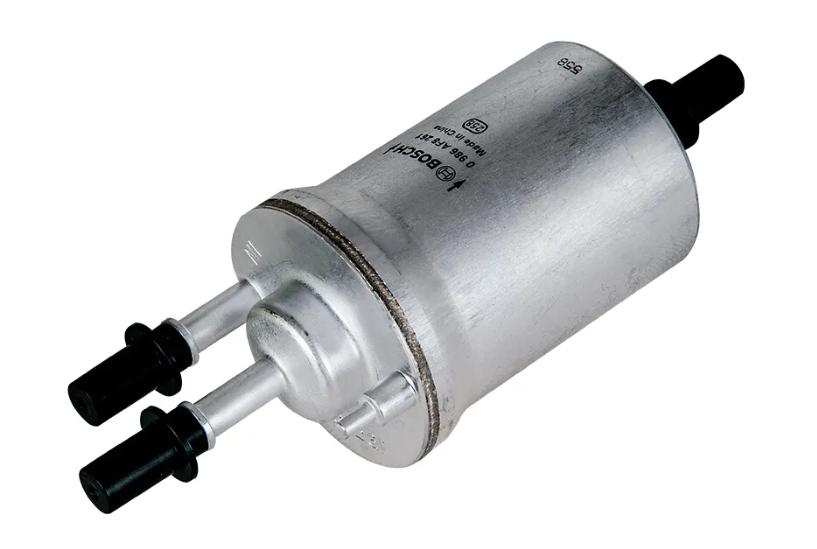
30. Fuel Filter
Its main function is to filter impurities in fuel. If clogged, engine power becomes weak and starting becomes difficult.
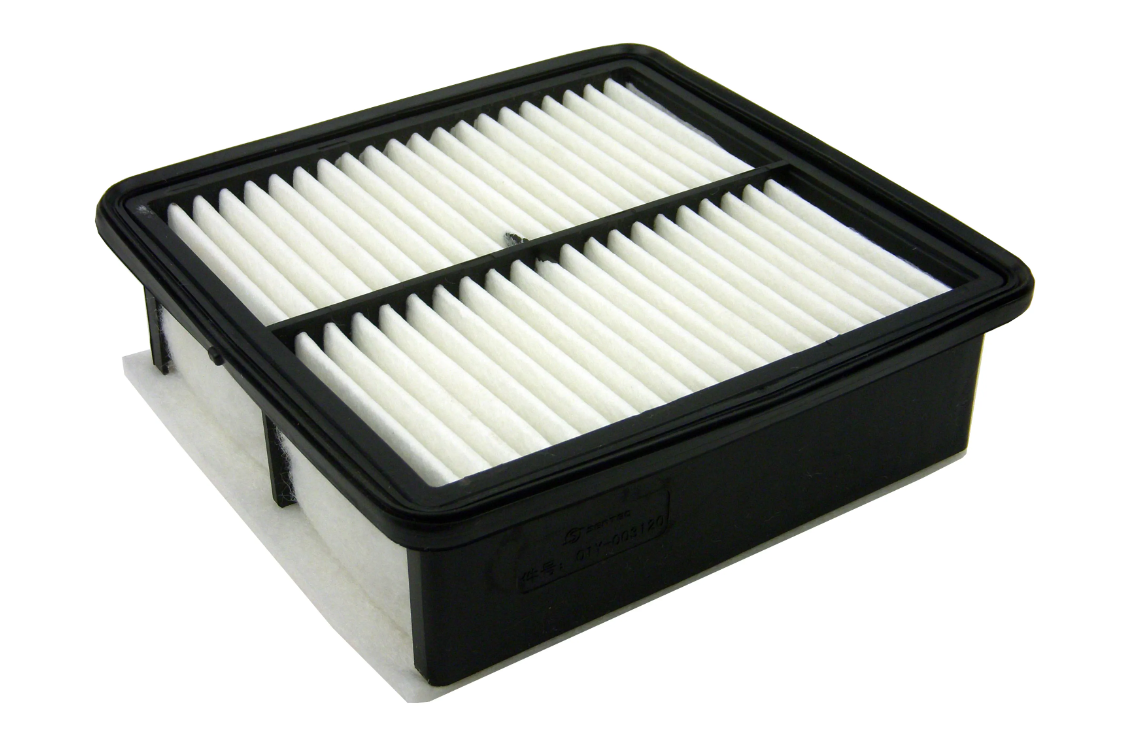
31. Air Filter
During engine operation, large amounts of air are drawn in. Without filtration, dust will enter the cylinder and accelerate wear of piston and cylinder, potentially causing serious cylinder scoring.
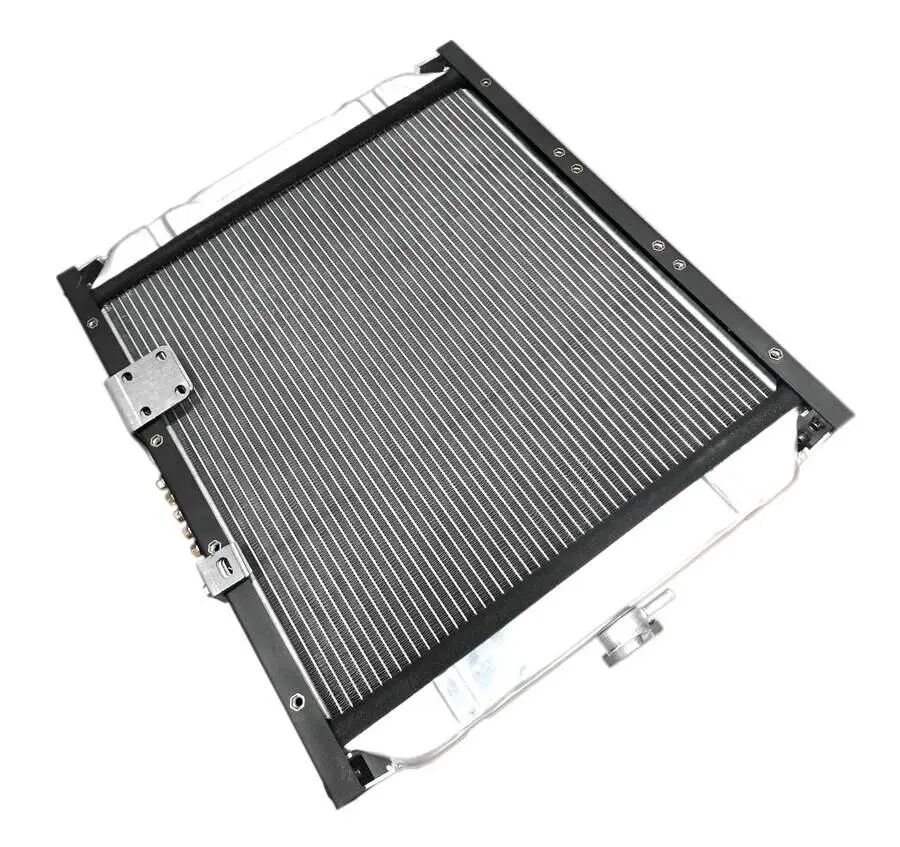
32. Radiator
Common failures include leakage, clogging, frost cracking in winter, and deformation due to pressure expansion.
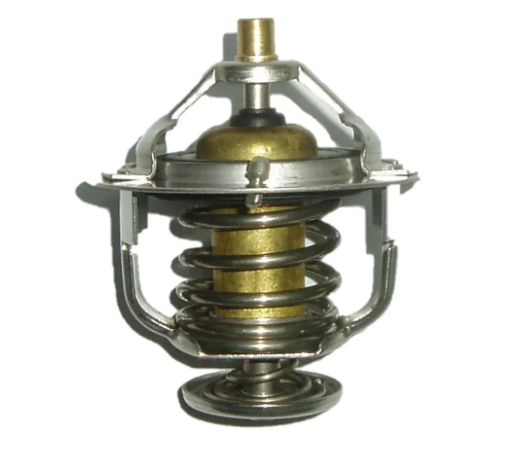
33. Thermostat
Controls engine temperature. If opening is delayed, engine overheats; if opened too early, engine runs at low temperature for a long time.
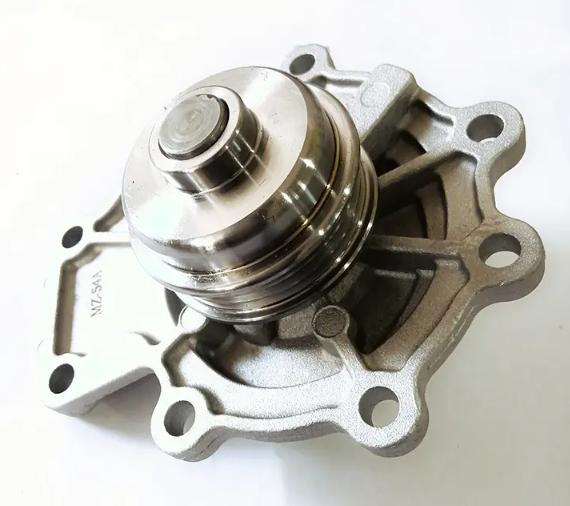
34. Water Pump
The water pump housing is connected to the engine via sealing gasket and supports bearings and moving parts. A drain hole between seal and bearing allows coolant leakage detection. Continuous leakage after shutdown indicates seal failure.
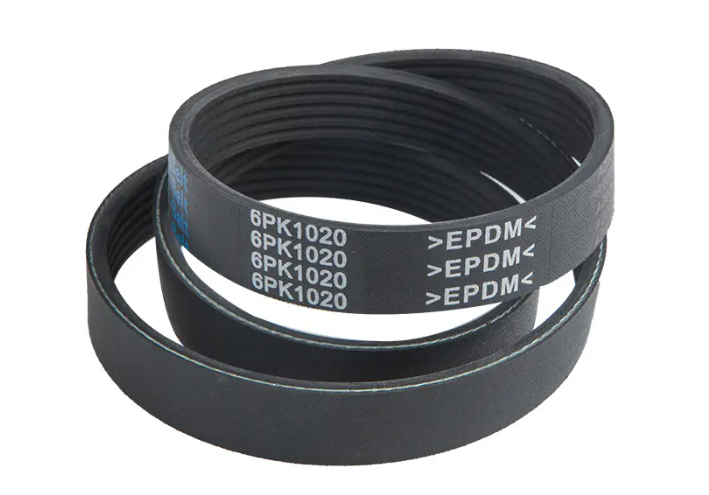
35. Fan Belt
Damage to the fan belt may be caused by normal wear, structural defects of the timing belt, improper operation of the tensioner and other factors.
Yeahengine Factory specializes in automotive engines and engine components for Volkswagen, Audi, BMW, Mercedes-Benz, Land Rover, Toyota,, and many other vehicle brands available on the market.
With more than ten years of engine assembly experience, we have handled a large number of customer projects worldwide and can provide complete engine solutions tailored to your needs.
Whether you are considering a new engine replacement or an engine overhaul, we can help you find the most cost-effective solution.
We export globally and are actively seeking distributors, workshops, and business partners worldwide.
Contact Us:
・WhatsApp: +86 153 5451 9872
・Alibaba: https://shanhepower.en.alibaba.com
・Email:sales@yeahengine.com