A Brief Discussion on Automotive Engine Fault Diagnosis and Maintenance Technology
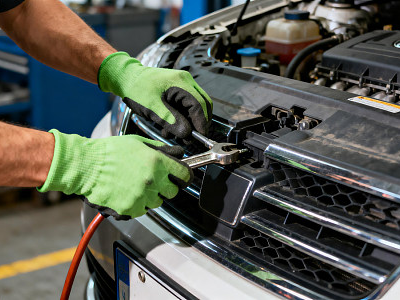
With the rapid growth of global vehicle ownership, the requirements for automotive engine fault diagnosis and maintenance technology are becoming increasingly strict. Due to the complex structure and harsh working environment of engines, failure rates remain relatively high. If engine faults are not repaired in time, they may lead to severe mechanical damage and high repair costs. Therefore, accurate and efficient engine fault diagnosis and maintenance technology is essential for maintaining vehicle performance, extending engine service life, reducing maintenance costs, and minimizing environmental pollution.
01 Common Engine Failures
As the core component of a vehicle, the engine’s technical condition directly affects overall vehicle performance. From performance, safety risk, and maintenance cost perspectives, timely detection of engine faults is crucial for ensuring driving stability and safety.
1.1 Fuel Supply System Failures
The fuel supply system is a key part of the engine. Common issues include insufficient fuel supply, incomplete combustion, and uneven mixture formation. These failures can generally be classified into three categories:
- Fuel pump failure: Long-term operation or foreign object intrusion may damage the fuel pump or motor, leading to insufficient fuel pressure. Symptoms include failure to start and reduced power.
- Injector blockage: Deposits or impurities affect fuel injection, resulting in poor combustion. Symptoms include unstable idle speed and abnormal emissions.
- Fuel line issues: Blockage or leakage causes insufficient fuel supply, leading to reduced power and increased fuel consumption.
1.2 Ignition System Failures
The ignition system ensures reliable ignition and combustion of the air-fuel mixture.
- Ignition coil failure: Unable to generate sufficient high voltage, causing starting failure or unstable idle.
- Spark plug aging or wear: Leads to incorrect ignition timing and incomplete combustion, resulting in power loss and increased emissions.
1.3 Mechanical Failures
Mechanical wear is also a common issue:
- Wear or fatigue of pistons, connecting rods, crankshaft, or cylinder components causes noise and power reduction.
- Manufacturing defects in casting or assembly may lead to sudden failure or abnormal noise.
1.4 Cooling System Failures
The cooling system is essential for engine stability and durability:
- Water pump failure may cause leakage or poor coolant circulation, leading to overheating.
- Leakage in pipes or radiator reduces system pressure and cooling efficiency.
- Dust accumulation on the radiator reduces heat dissipation efficiency.
02 Engine Fault Diagnosis Technologies
2.1 Traditional Diagnosis Methods
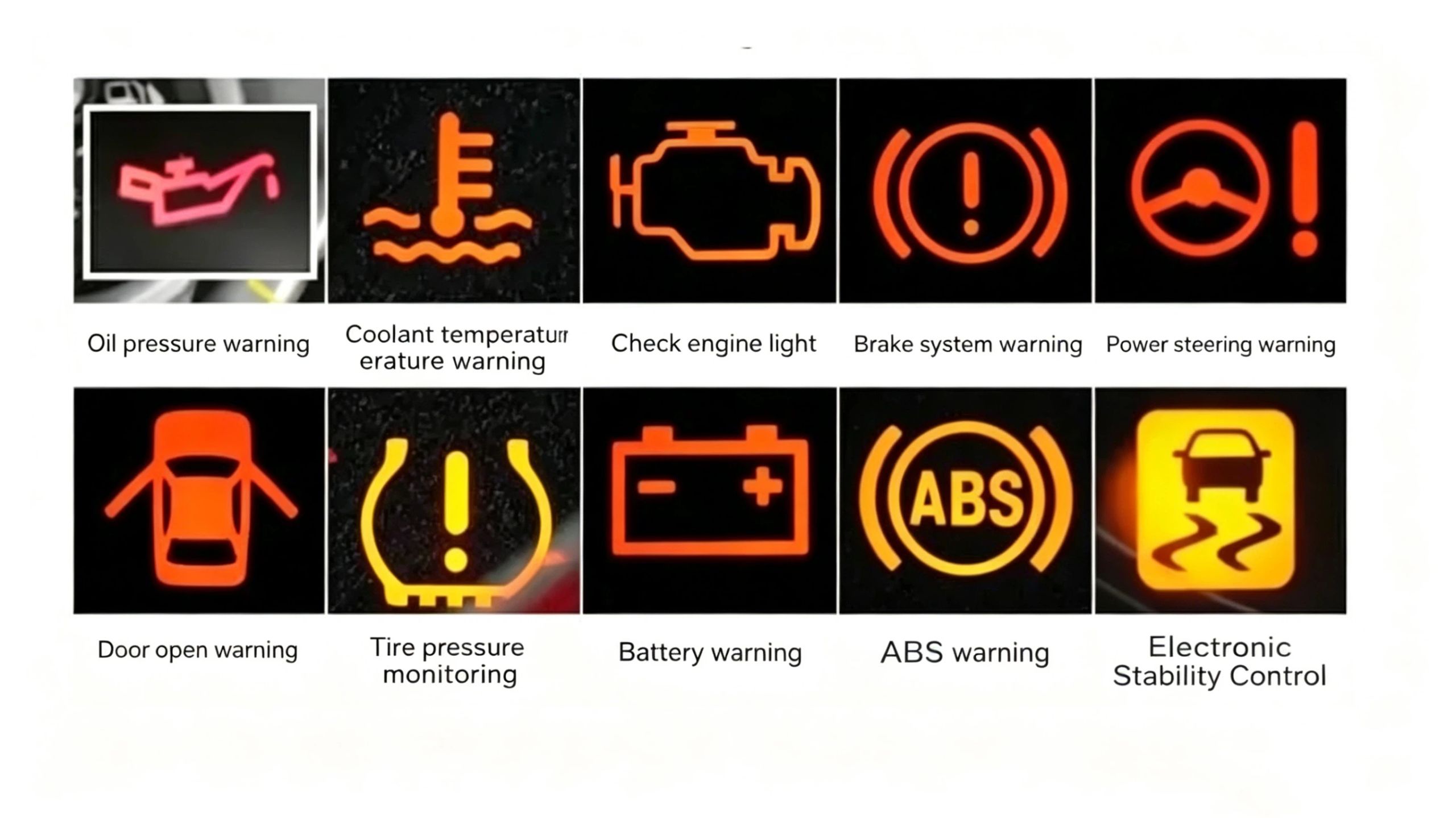
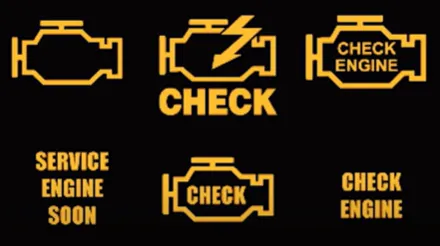
- Fault code diagnosis (OBD/ECU scanning): Reads stored fault codes to locate issues. Fast and direct but limited for hidden faults.
- Sensor data analysis: Uses temperature, pressure, and airflow data to evaluate engine condition. Limited by sensor accuracy.
2.2 Data Stream Diagnosis
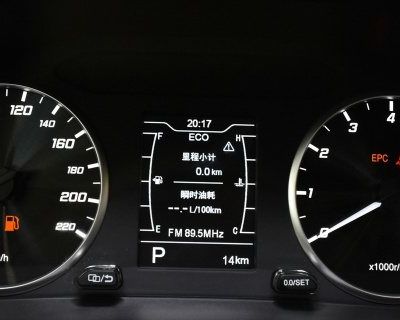
Modern ECUs monitor real-time engine data such as RPM, oil pressure, and intake temperature. Technicians compare live data with standard values to identify abnormalities and determine fault causes.
2.3 Engine Noise Diagnosis
- Noise detection: Uses human hearing or sensors to capture abnormal sound signals.
- Acoustic analysis: Frequency and vibration analysis extracts fault characteristics.
- Fault identification: Compares with fault databases to determine failure type.
- Fault localization and repair: Identifies damaged components such as piston rings or valve clearance issues.
2.4 Visual Image Diagnosis
- Endoscope inspection: Examines internal engine components for wear or carbon buildup.
- Infrared thermal imaging: Detects abnormal temperature distribution and cooling issues.
- HD cameras: Monitor oil leaks and abnormal vibration in real time.
2.5 Advanced Diagnostic Technologies
- Machine learning: Builds predictive models using historical and sensor data for early fault detection.
- Deep learning: Analyzes sound, vibration, and images for accurate fault classification.
- AI-assisted diagnosis: Automates fault detection and provides intelligent maintenance suggestions.
03 Engine Maintenance Technologies
3.1 Component Replacement
Engine performance can be restored by replacing damaged parts such as:
- Spark plugs
- Ignition coils
- Air filters
- Fuel filters
- Sensors and actuators
Important considerations:
- Ensure compatibility with engine model
- Prefer OEM (original equipment manufacturer) parts for better durability and safety
3.2 Adjustment and Calibration
Includes ignition timing and valve timing adjustments. Advantages include low cost, but it requires experienced technicians and cannot fix severe mechanical damage.
3.3 Advanced Rebuilding and Remanufacturing
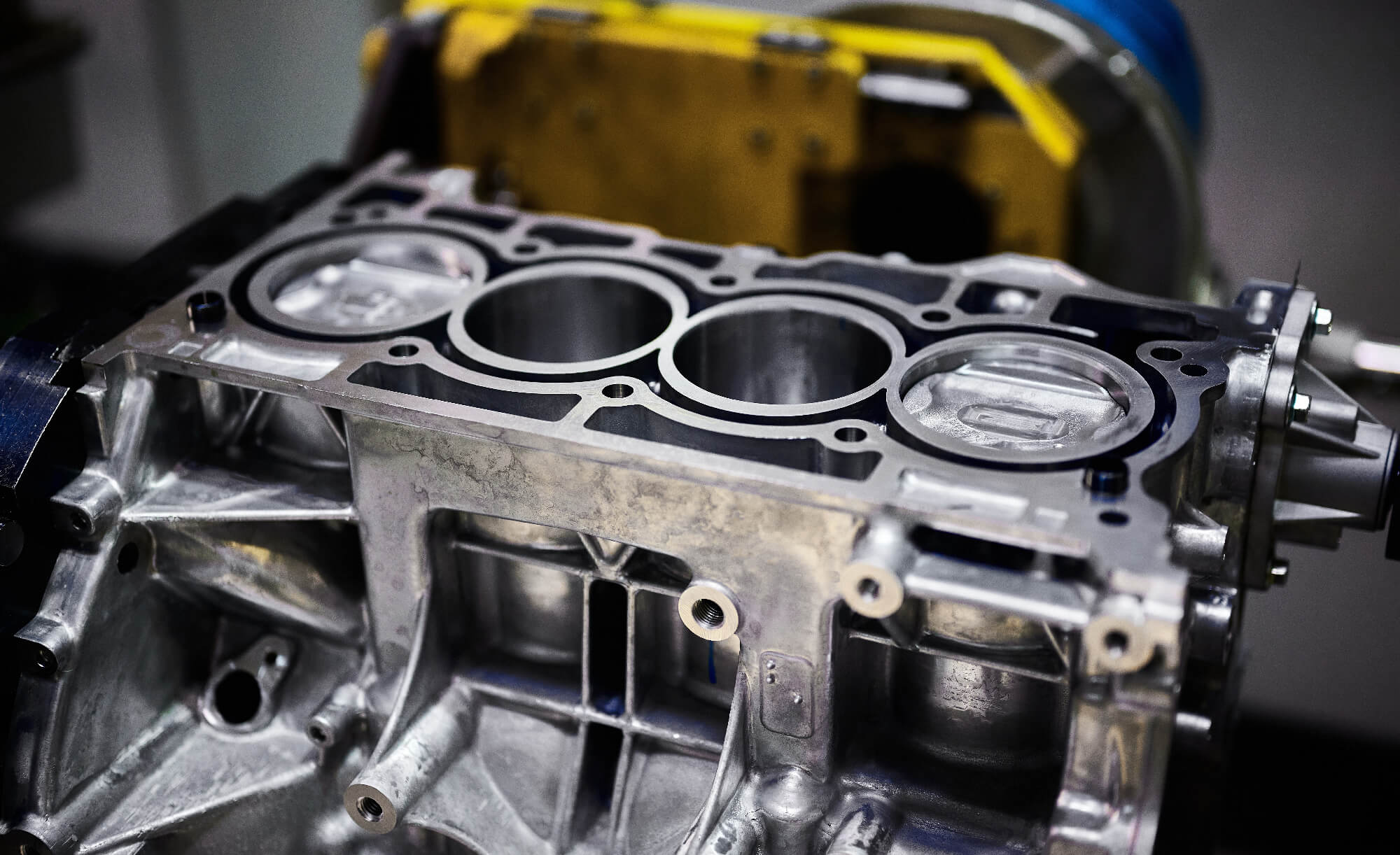
This involves complete engine disassembly, cleaning, inspection, repair or replacement of parts, and precise reassembly.
Advantages:
- Restores engine performance close to new condition
- Reduces cost and supports recycling and environmental protection
Limitations:
- Requires advanced equipment and skilled technicians
- Time-consuming process
Conclusion
With the continuous development of automotive technology, engine maintenance technology must evolve accordingly. In the future, digital technologies, artificial intelligence, and big data analytics will play an increasingly important role in automotive repair, making maintenance more intelligent and efficient. At the same time, environmental protection and resource efficiency will become key directions in engine repair technology.
Yeahengine Factory provides the most advanced engine technologies and systems currently available on the market, with mature assembly techniques and a comprehensive after-sales service system, forming the foundation of our brand. We sell globally and are looking for distributors worldwide.
WhatsApp: +86 153 5451 9872
Aliexpress: https://www.aliexpress.com/store/1104682300
Email: sales@yeahengine.com