Top 10 Popular Automotive Engine Technologies: Will Electric Vehicles Fully Replace Internal Combustion Engines?
Under the dual demands of power and fuel efficiency, the engine is no longer seen by many as a simple automotive component, but as a piece of art filled with precision parts.
Especially under the trend of electrification, matching engines with various advanced technologies has become a research focus for many automakers. Today, let’s take a look at the top ten popular engine technologies currently in use.
1. Turbocharging Technology
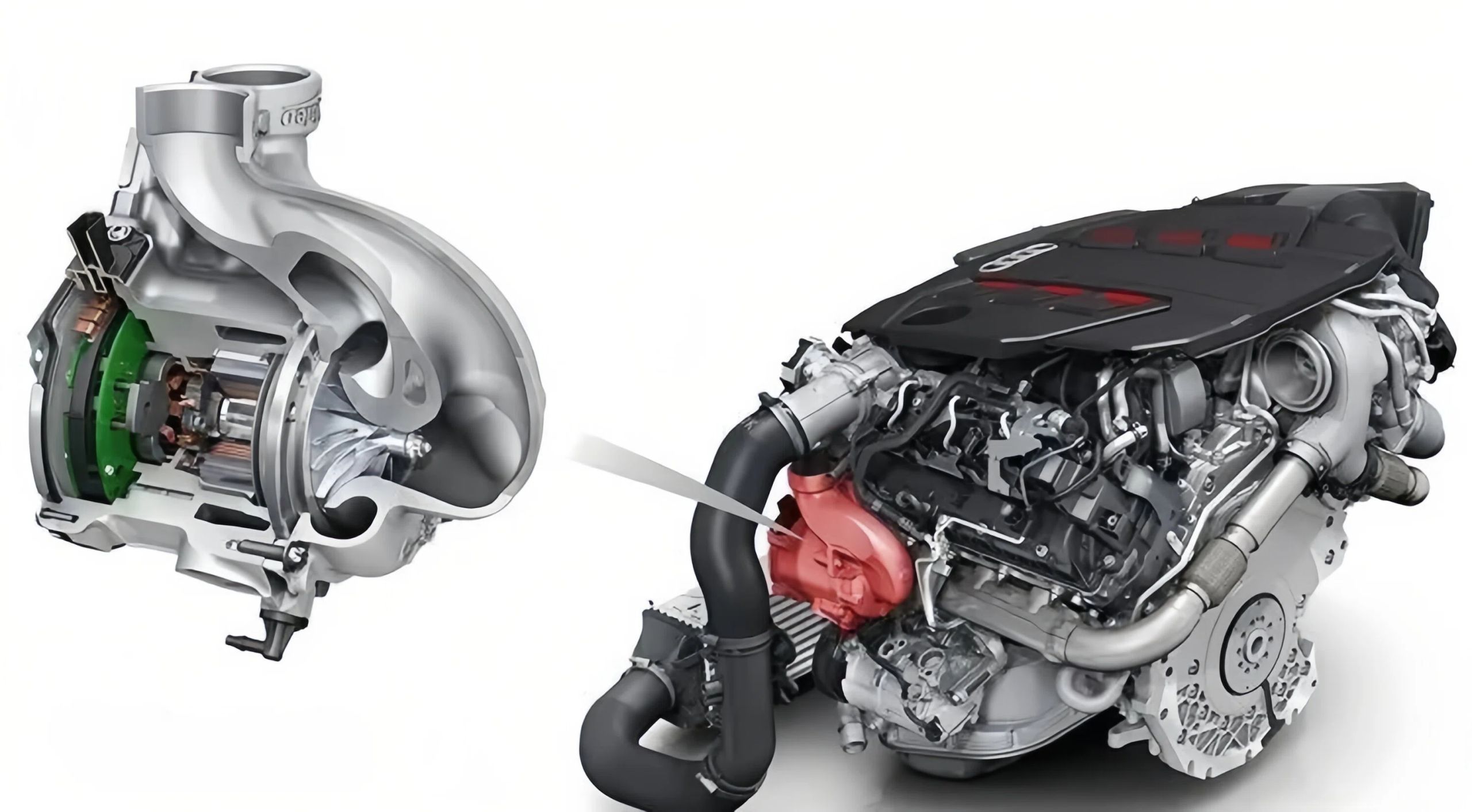
The first is turbocharging technology. Initially, exhaust-driven turbochargers were used. They work by using exhaust gases expelled from the engine to drive the turbine blades. The rotation of the blades drives the coaxial compressor impeller, which compresses air and sends it into the cylinders, increasing the engine’s intake volume and the work done per unit of time, thereby delivering stronger power performance.
However, exhaust-driven turbochargers experience significant turbo lag at low engine speeds due to insufficient exhaust gas. To eliminate turbo lag, many types of engine boosting methods have emerged, such as mechanical supercharging, pressure wave supercharging, electric supercharging, variable geometry turbines, twin-turbo systems, and more.
All these boosting methods share the same basic principle, only differing in the source of the boosting power. The emergence of turbocharging allows engines of the same displacement to achieve higher power. When emission regulations tighten, engines can downsize while maintaining performance, which is why small-displacement turbo engines are becoming increasingly common.
2. Direct Injection Technology
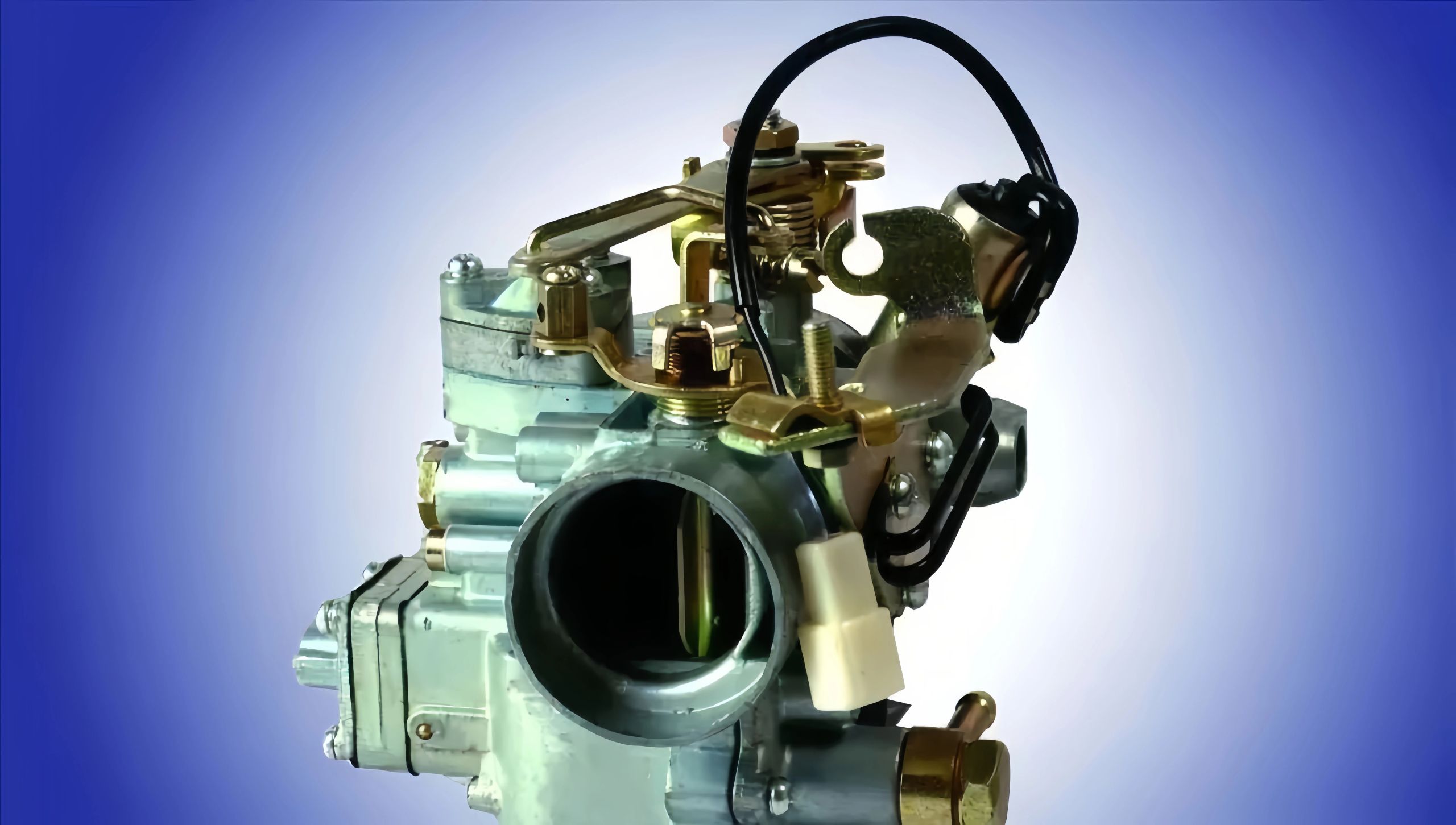
The second technology is gasoline direct injection (GDI). Early fuel injection systems used carburetors, which relied on the negative pressure created by the intake manifold to draw in air. The airflow would mix with gasoline sprayed from the nozzle and then enter the cylinder.
This type of fuel injection had many drawbacks, the most significant being the inability to precisely control fuel injection according to the driver’s throttle input. Not only did it reduce driving enjoyment, but it also led to high fuel consumption.
Later, manifold injection was introduced, featuring electronic control, which could dynamically adjust the air-fuel mixture based on engine load. High-pressure injectors could also wash the throttle body’s backside, reducing carbon buildup in the engine. However, manifold injection required higher cylinder pressure and combustion temperature, making temperature control in the combustion chamber a major challenge and limiting compression ratio improvements, thus restricting engine power potential.
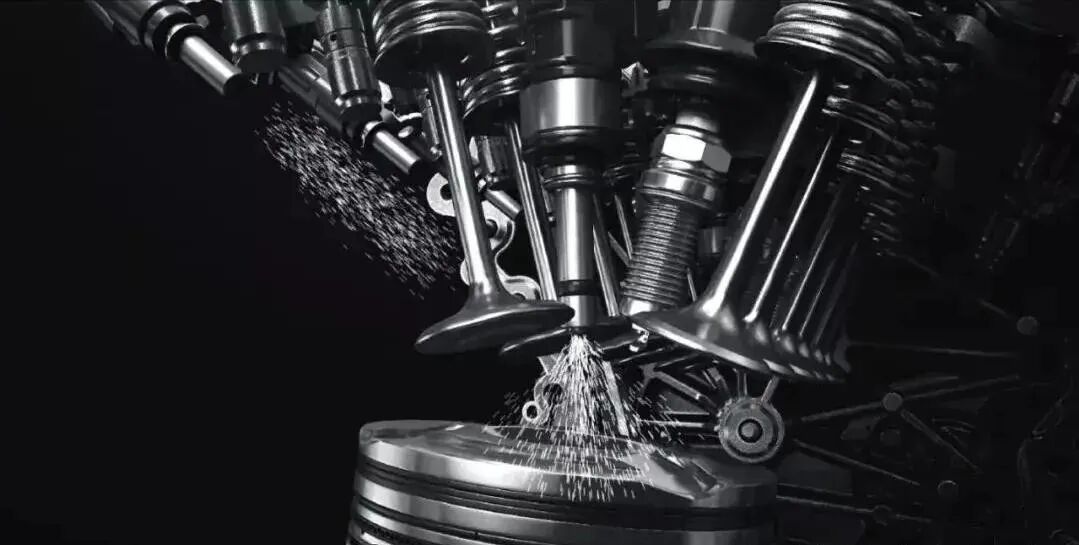
Direct injection technology emerged as a solution. By placing the injector inside the cylinder and using higher injection pressure to atomize fuel directly into the cylinder, combustion efficiency is significantly improved, and cylinder temperatures are effectively reduced. This also allows for higher compression ratios. However, direct injection shortens the fuel atomization time, leading to increased carbon soot, especially under low-temperature conditions.
To address this, dual-injection systems were developed. At low temperatures, manifold injection is used to reduce emissions, while during high-efficiency operation, direct injection is employed to ensure powerful output.
3. Stratified Combustion Technology
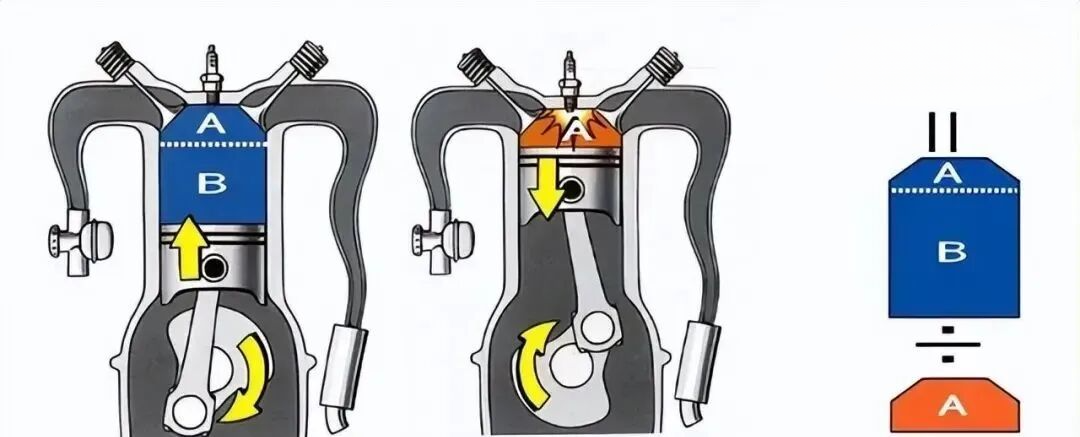
The third technology is stratified combustion. The concentration of the air-fuel mixture in the cylinder significantly affects engine power. The core idea of stratified combustion is to create multiple layers of mixture with varying concentrations inside the combustion chamber.
The mixture closest to the spark plug has the highest concentration, while the bottom layer has the lowest. Igniting the top layer initiates sequential combustion downward, achieving full fuel combustion.
For example, Audi’s stratified combustion technology injects a small amount of fuel during the piston’s downstroke to form a lean mixture. During the piston’s upward stroke, a second injection is performed. By using special structures or injection angles, the mixture near the spark plug is enriched, achieving stratified combustion.
4. Variable Compression Ratio
The fourth technology is variable compression ratio (VCR). The compression ratio is the ratio of the cylinder’s maximum volume to minimum volume. A higher compression ratio means the fuel mixture is compressed more, reducing combustion chamber space and increasing combustion pressure, which improves engine power and torque.
However, too high a compression ratio can cause the mixture to ignite prematurely, resulting in engine knocking. Therefore, the compression ratio must be set according to the engine’s characteristics. Variable compression ratio technology allows the engine to use different compression ratios under different operating conditions, maintaining power while reducing fuel consumption. This technology is considered one of the most difficult to mass-produce, with notable examples from Nissan, Saab, and Porsche.
5. Dual Overhead Camshaft (DOHC)
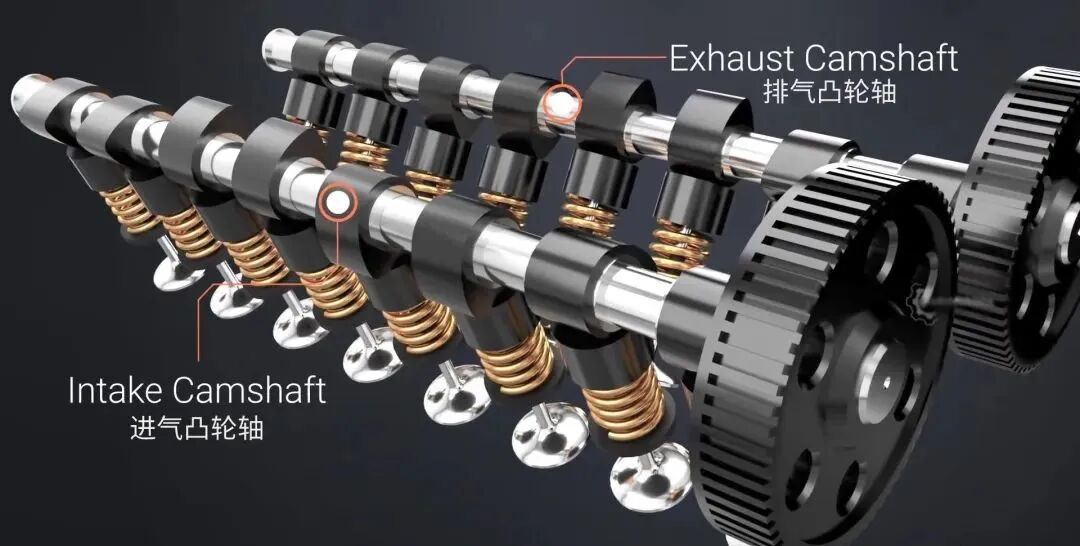
The fifth technology is the dual overhead camshaft. As part of the valve control mechanism, its core purpose is to control the intake and exhaust valves.
Earlier single camshaft designs could not precisely control valve timing or lift and could not implement variable valve timing or variable valve lift technologies. DOHC separates intake and exhaust valves onto two camshafts, providing a key hardware foundation for advanced valve control technologies.
6. Variable Valve Technology
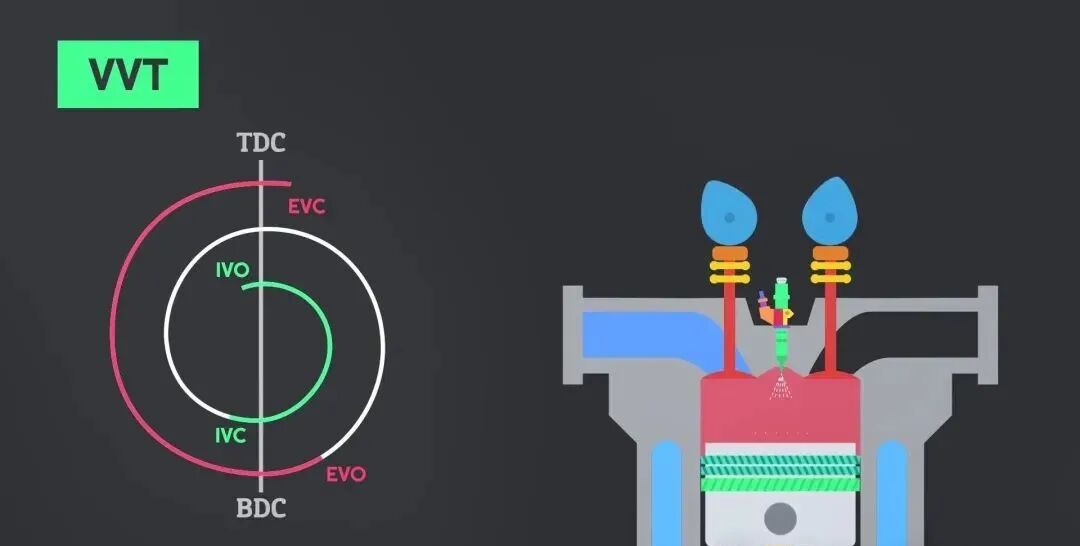
The sixth technology is variable valve technology, mainly including timing, lift, and duration.
Variable Valve Timing (VVT) was initially used to control only the intake valve opening and closing. At low speeds, it delays intake valve opening to reduce airflow and fuel injection. At high speeds or during uphill driving, it opens earlier to increase power output, improving efficiency and fuel economy.
With further development, dual VVT was introduced to control both intake and exhaust valves, such as Toyota’s VVT-i. Engineers then developed Variable Valve Lift (VVL) to control how far each valve opens.
However, VVT and VVL could only control when and how far valves open, not how long they remain open. Continuous Variable Valve Duration (CVVD) was developed to control valve opening and closing durations freely. If a valve is imagined as a door: VVT controls when to open, VVL controls how wide it opens, and CVVD controls when to close. These technologies optimize engine breathing, improving efficiency and fuel economy.
7. Cylinder Deactivation
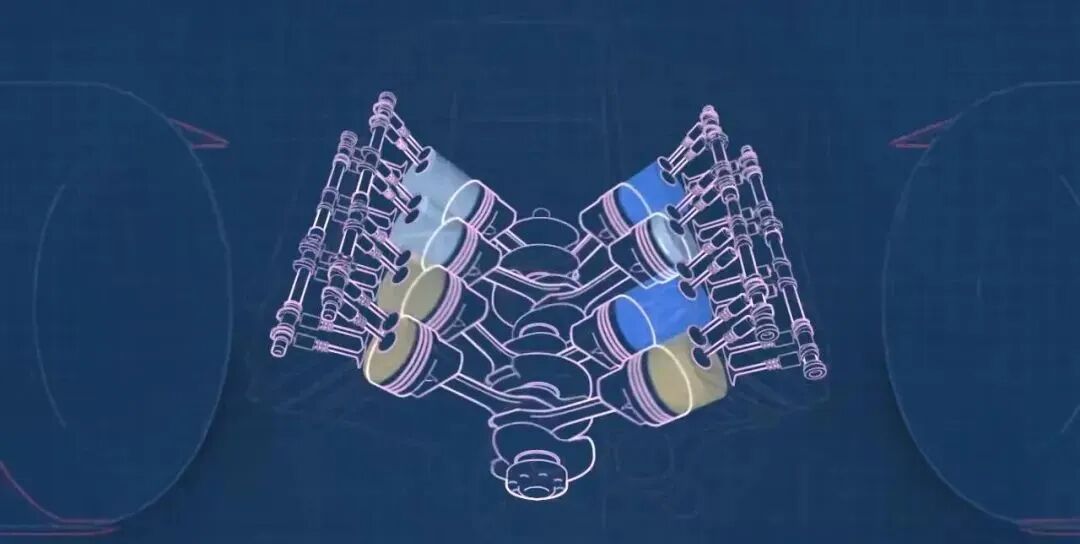
The seventh technology is cylinder deactivation, also called “engine cylinder stop” technology. Initially applied to large-displacement engines, it shuts down unnecessary cylinders under low load to reduce fuel consumption.
There are two main approaches: one stops fuel supply but keeps valves operating (“fuel off, air on”), which can cause pumping losses at low loads due to vacuum formation between pistons and valves. The second approach stops both fuel and airflow (“fuel off, air off”), balancing pumping losses but potentially causing uneven thermal distribution, which can deform the engine block.
Most manufacturers use the second method combined with dynamic thermal management systems to balance engine temperature.
8. Dual Injection and Dual Cycle
Dual injection involves two injectors: one in the intake manifold (port injection) and one in the cylinder (direct injection). Low-load conditions use port injection for fuel efficiency, while high-load conditions use direct injection for power.
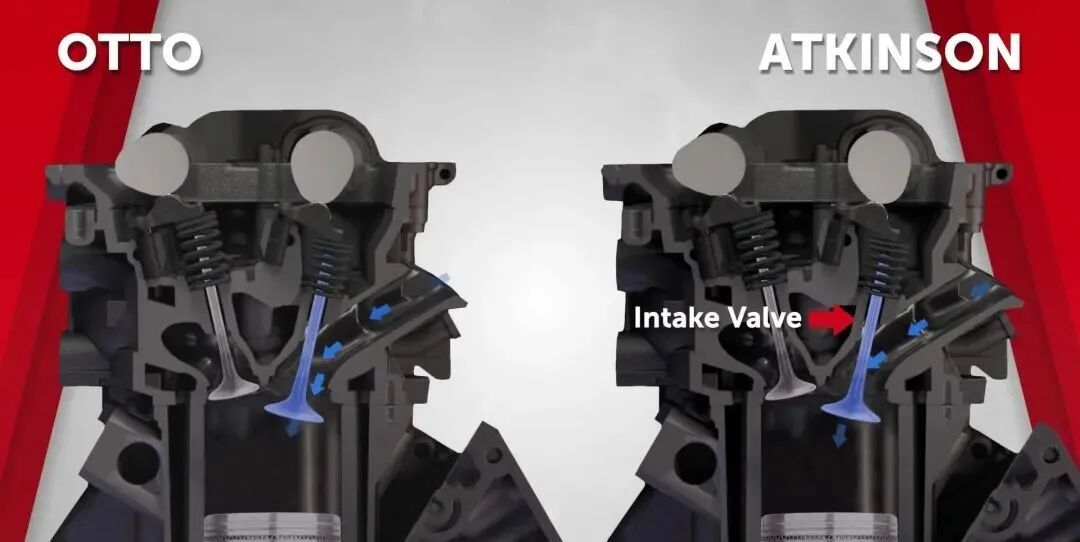
Dual cycle refers to combining traditional Otto cycles with Atkinson or Miller cycles. The Atkinson cycle uses linkage mechanisms to extend the power stroke beyond the compression stroke, increasing expansion ratio and engine efficiency. Miller cycle simplifies this by controlling valve timing instead of mechanical linkages.
Currently, most dual-cycle engines combine Otto and Miller cycles. Although many automakers claim Atkinson cycles, the underlying technology is usually Miller cycle.
9. Dual Ignition System
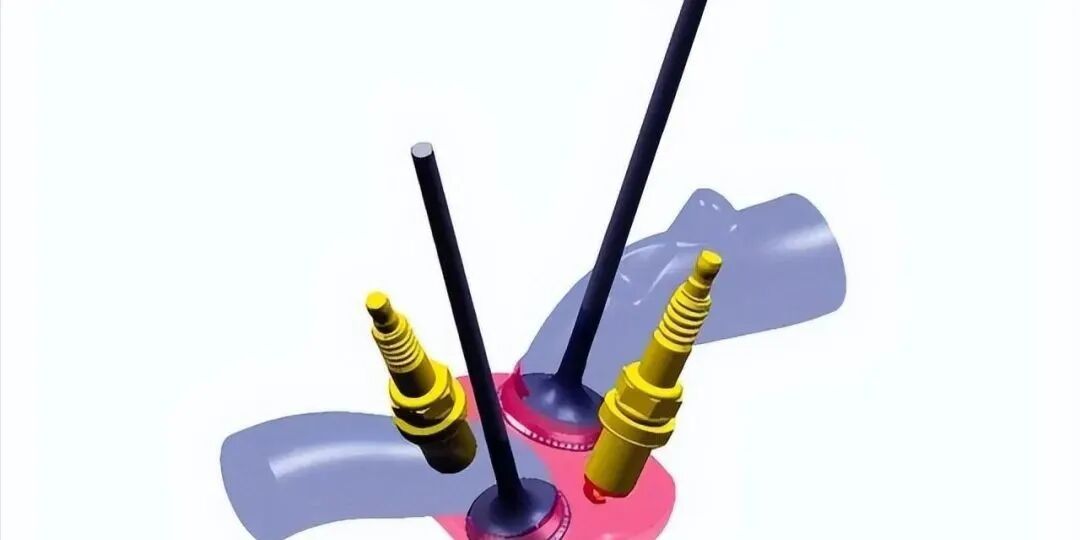
The ninth technology is dual spark plugs, also known as dual ignition. Originally used in aircraft engines, it was later applied to cars and motorcycles, such as Honda’s DSI engines and Mercedes’ M279.
Dual ignition allows simultaneous, delayed, or advanced ignition to meet torque requirements under various loads. However, two spark plugs per cylinder occupy space, limiting the implementation of variable valve timing, dual injection, and multi-valve designs. Maserati later introduced a dual ignition system with a pre-chamber to overcome these limitations.
10. Hybrid Technology
The final technology is hybrid systems, including 48V mild hybrids, full hybrids, plug-in hybrids, and range extenders.
Hybrid technology adds an electric unit to the internal combustion engine. At low speeds or inefficient operating conditions, the electric motor drives the vehicle. At high efficiency zones, the engine operates to recharge the battery. Range extenders use the engine only for generating electricity, not for driving the wheels.
Hybrid technology is considered a bridge between traditional ICE vehicles and electric vehicles. However, as battery and EV technology improve rapidly, the advantages of hybrids are gradually diminishing.

Yeahengine Factory provides the most advanced engine technologies and systems currently available on the market, with mature assembly techniques and a comprehensive after-sales service system, forming the foundation of our brand. We sell globally and are looking for distributors worldwide.
WhatsApp: +86 153 5451 9872
Aliexpress: https://www.aliexpress.com/store/1104682300
Email: sales@yeahengine.com